
Winter doesn’t make skin dry by magic. It does it by physics, twice a day, from both directions. Cold outdoor air physically holds less moisture than warm air, so every trip outside pulls water from your skin’s surface. Then you come home to heated indoor air — which is also dry, sometimes desert-dry — and lose more, all night, while you sleep. Add the season’s favorite ritual, the long hot shower, and you’ve stripped the very oils that were slowing the loss down. Dermatologists see the same pattern every year (the American Academy of Dermatology’s winter guidance reads like a description of the average December bathroom): flaking, tightness, itching, and in bad cases cracking. The fix is not a new ten-step routine. It’s your existing routine, re-engineered for a season that steals water — gentler cleansing, layered hydration, a real seal, and sunscreen that doesn’t retire in November. This is Guide #17 of The Radiant Routine: the winter version of the routine Guide #1 built, with every change explained.
Quick note: some products below carry affiliate links — our full disclosure is at the end of this article.
The Quick Answer
The winter routine, in one breath: cleanse gently with lukewarm water (never hot, never twice-scrubbed), layer a hydrating toner two or three times on damp skin, seal everything with a proper cream rather than a lotion, and wear SPF through the day anyway. At night, repeat minus the SPF, and give irritated days a full pause from acids and retinoids. Change nothing else until your skin calms down — winter is a season for defending the barrier, not for experiments. The details, the reasons, and the two honest product pairs that carry the routine are below.
What Winter Actually Does to Your Barrier
Your skin barrier is a brick wall: skin cells are the bricks, and a mix of lipids — ceramides, cholesterol, fatty acids — is the mortar. Its whole job is keeping water in and irritants out. Winter attacks the mortar. Low-humidity air increases transepidermal water loss (the water evaporating through the wall), hot water and harsh surfactants dissolve lipids outright, and the cycle of cold-outside/warm-inside keeps the wall under stress around the clock. The early signs are cosmetic — tightness after washing, flaky patches, makeup sitting badly — but a neglected barrier escalates: redness, stinging from products that never stung before, and itching that peaks at night. Every step below is chosen to answer one of those attacks specifically, which is why the order matters as much as the products.
Step 1 — Cleanse Like the Season Is Watching
The AAD’s winter advice starts in the shower: warm water, not hot; five to ten minutes, not twenty; and a gentle, fragrance-free cleanser instead of anything that leaves skin squeaking. Squeaky is not clean — it’s the sound of your mortar dissolving. In winter, most skin does best cleansing once at night (to remove the day) and rinsing with water alone in the morning. The cleanser this series has used since Guide #1 survives the winter audit unchanged:
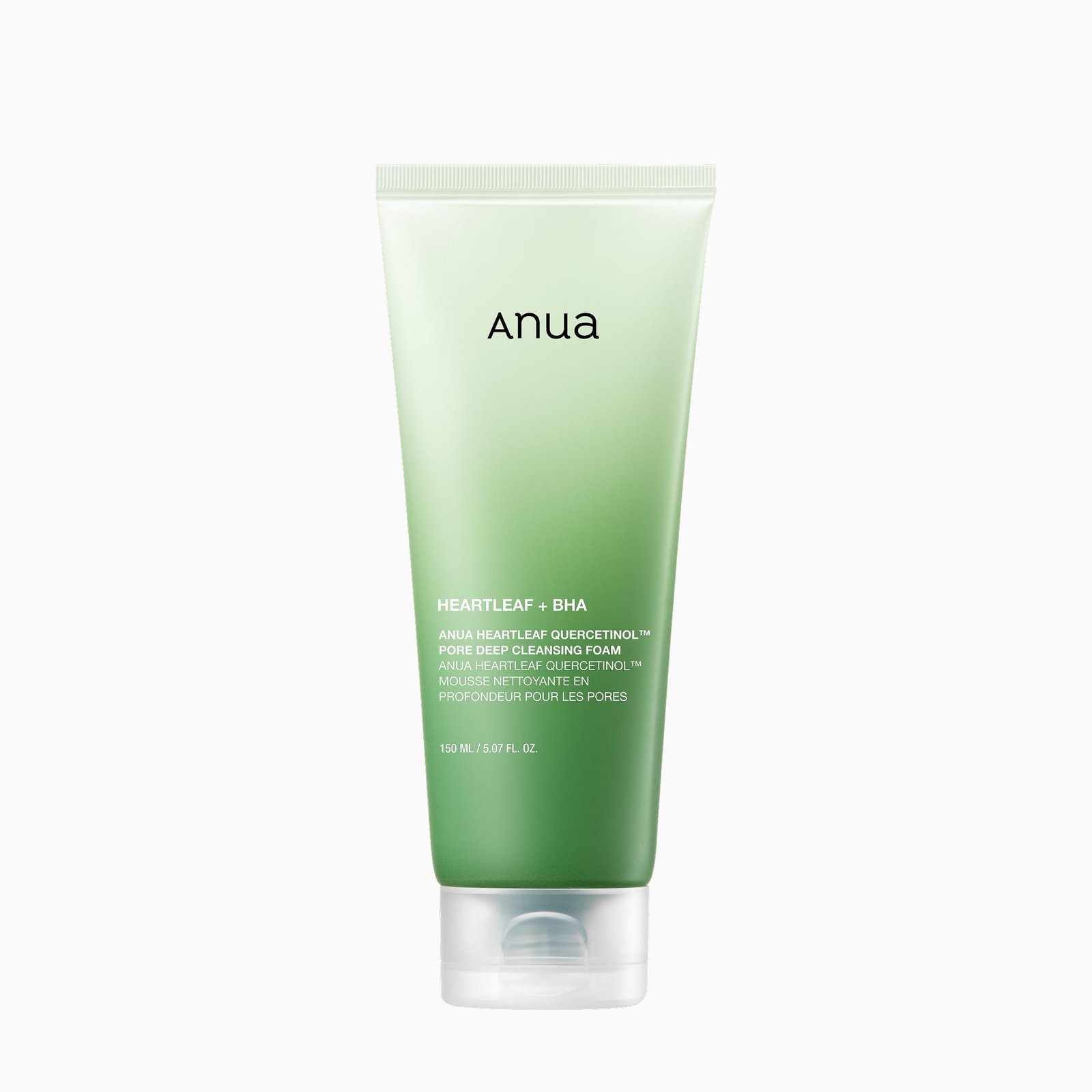
Anua Heartleaf Quercetinol Pore Deep Cleansing Foam (150 ml) — a low-irritation foam built on heartleaf, designed to clean without the tight, stripped finish that winter skin cannot afford. Use a small amount, lukewarm water, sixty seconds of gentle massage, and pat dry — never rub — with the towel. If your skin feels calm rather than squeaky afterward, the step is doing its job.
Step 2 — Layer Hydration: The 7-Skin Method, Honestly
The most useful question in this guide’s research was also the most Korean: what is the 7-skin method? The method layers a hydrating toner — called “skin” in K-beauty — up to seven times, thin layer over thin layer, each pressed into damp skin before the last has fully dried. The logic is sound: several light layers hydrate more evenly than one thick one, and each layer slows the evaporation of the water beneath it. The honest correction is the number. Seven is a ceiling from the original method, not a requirement — most skin in most winters is perfectly served by two or three layers, and piling on seven when two would do wastes product and time. Pre-soaked toner pads are the tidy way to do it:
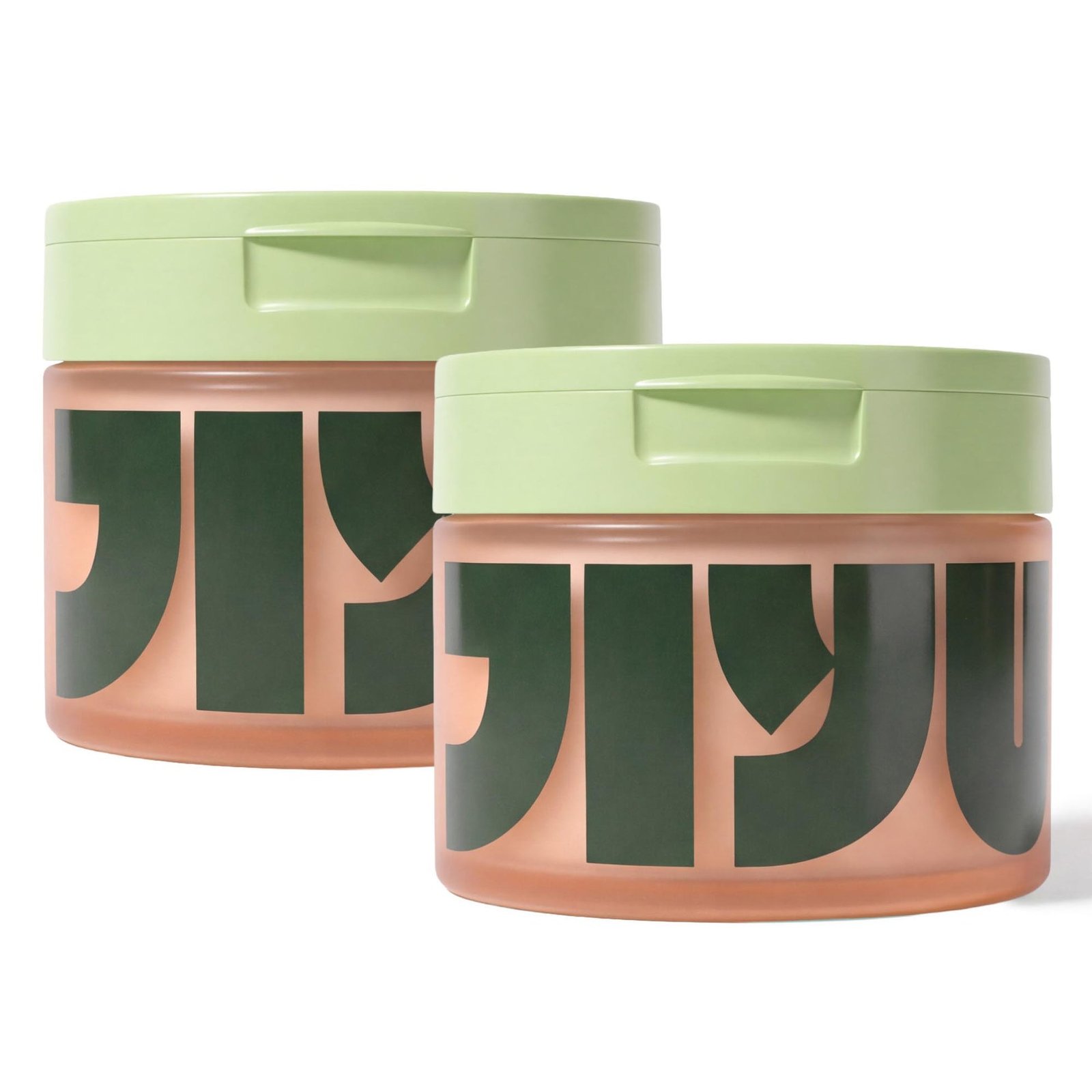
JIYU Toner Pads (100 count) — Korean toner pads soaked in a formula built around snail mucin, niacinamide, peptides and centella — humectant and calming names that suit a layering step. One pad is one even layer: sweep it on, press the residue in with your palms, and repeat once or twice while the skin is still damp. On the driest days, a pad left resting on each cheek for a few minutes is a mini mask built into the routine. One caution, in the spirit of this series: snail mucin is a love-it-or-skip ingredient — patch-test first if your skin is reactive.
Step 3 — Seal It With a Cream, Not a Lotion
Layered water without a seal is a loan winter collects within the hour. This is the step where texture stops being a preference and becomes the mechanism: dermatologists consistently note that creams and ointments hold moisture in better than lotions, because they carry more of the occlusive, lipid-rich ingredients that rebuild the mortar while the water underneath does its work. Apply your cream within a few minutes of washing or layering, while skin is still slightly damp — that timing is worth more than any single ingredient in the jar. (And for the recurring question — rub it in or let it sit? Press and smooth it on damp skin until it’s evenly distributed, then let the remainder settle. Aggressive rubbing adds friction a winter barrier doesn’t need; a thick unspread film just wastes product on your pillowcase.)
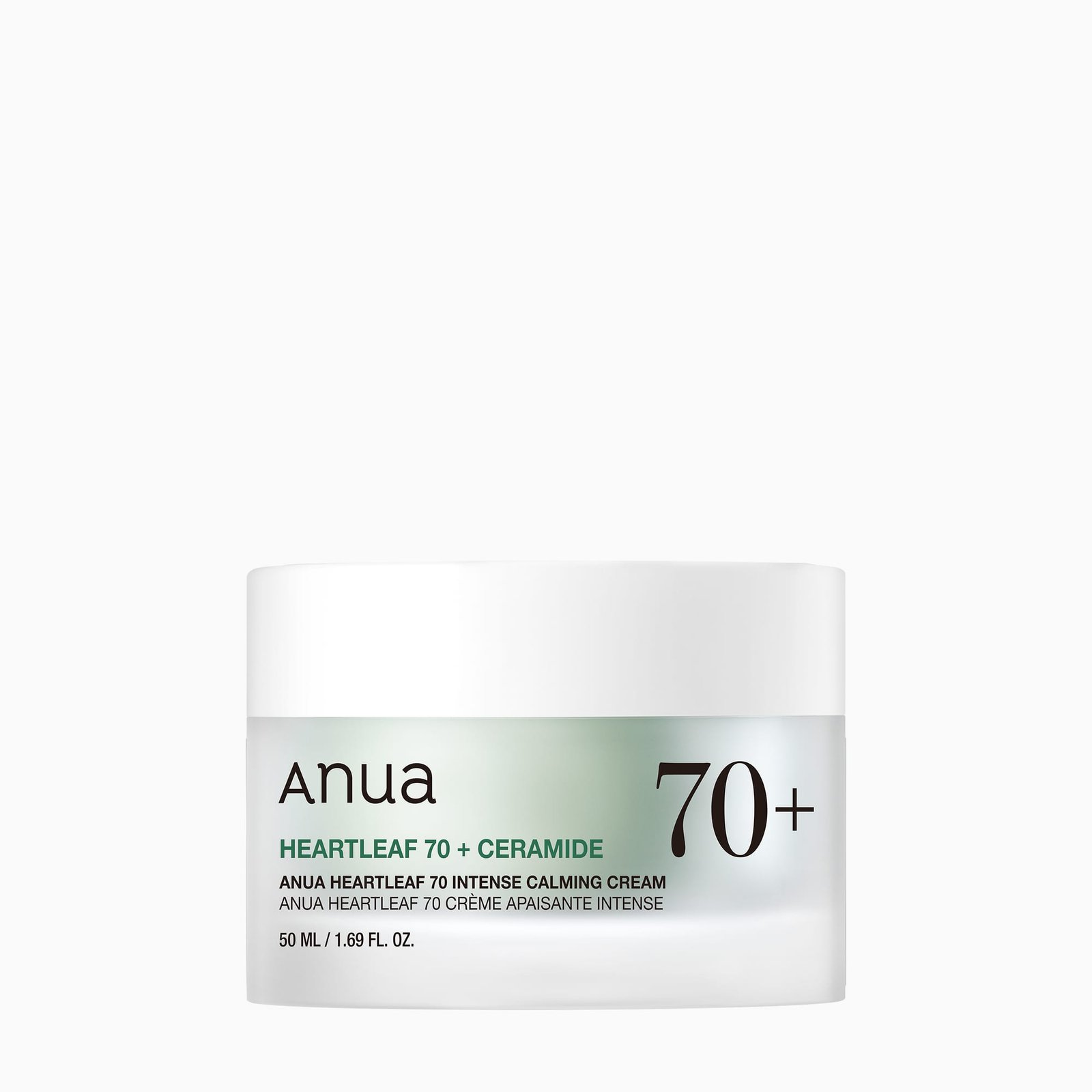
Anua Heartleaf 70% Intense Calming Cream (50 ml) — the moisturizer from Guide #1’s original routine, promoted to winter anchor: a 70% heartleaf formula aimed squarely at calm, with a cream texture substantial enough to seal layered toner underneath it. It’s the jar this routine reaches for morning and night; on the coldest evenings, a slightly thicker final layer on cheeks and around the nose — the zones winter hits first — is the whole adjustment.
Step 4 — SPF: Yes, Even in Winter. Especially in Winter.
The most common winter skincare mistake is retiring the sunscreen. UV doesn’t take the season off: UVA — the aging, barrier-stressing band — stays present all year, passes through cloud cover and window glass, and snow reflects UV back up at your face from below. If you use vitamin C serum (another frequent winter question: yes, you can keep it — it pairs with SPF, it doesn’t replace it), the daytime order stays toner, serum, cream, sunscreen. A tinted SPF is the pragmatic winter pick: it protects, evens the redness winter creates, and replaces the base makeup that flakes so badly on dry skin.
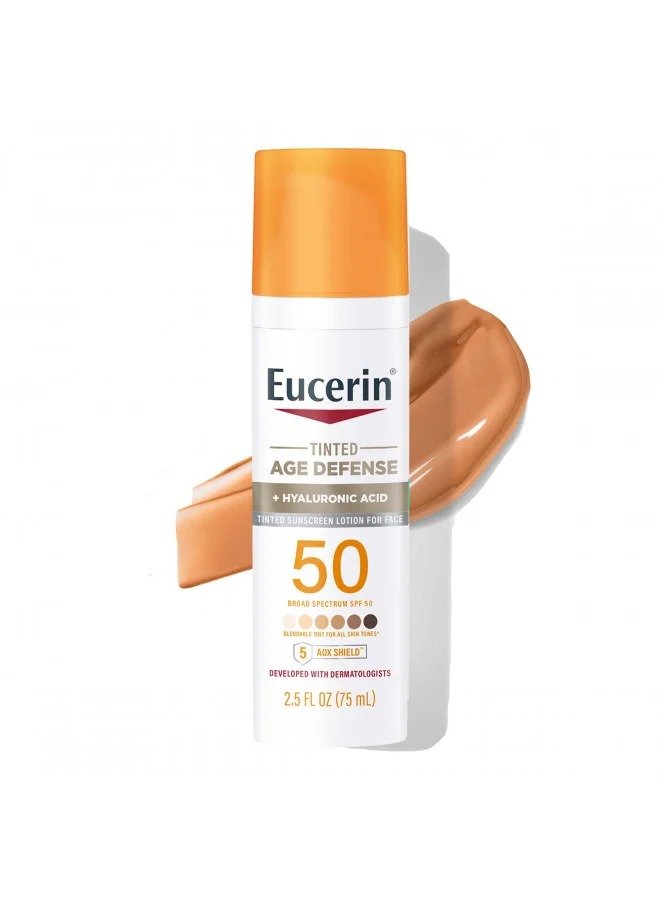
Eucerin Sun Tinted Age Defense SPF 50 (2.5 fl oz) — the tinted sunscreen from Guide #7, back for winter duty: SPF 50 with hyaluronic acid in the formula and a tint that takes the edge off winter redness. Apply it as the last morning step, in the same two-finger quantity as summer — winter is not a discount on dose.
The PM Version, and What to Pause
Evenings run the same three steps — gentle cleanse, two or three toner layers, cream — with two winter adjustments. First, the pause list: on days when your skin stings, flakes or flushes, retire the actives until it settles. The AAD’s dry-skin guidance names the usual suspects — alpha-hydroxy acids, alcohol-heavy products, fragrance — and this series’ own Guide #2 covers which serums should never share a routine in the first place. A barrier in repair mode wants water and lipids, not exfoliation. Second, the occasional upgrade: once or twice a week, an occlusive evening — the long-wear hydrogel mask of Guide #16’s gift list is exactly this, and Guide #18, next in this wave, gives it the full honest treatment. Routine first, events second: that’s the winter hierarchy.
Beyond the Bathroom Shelf
- A humidifier is a skincare product. Keeping bedroom air in the 30–50% humidity range is the AAD-endorsed environment your barrier recovers in overnight — no jar fully compensates for 15% indoor air.
- Showers: warm, short, and moisturized within minutes — the damp-skin rule again. Five to ten minutes, then cream while the water is still on your skin, not after you’ve answered three messages.
- Hands and lips report winter first. Gloves outside, a hand cream after washing, and a petrolatum-based lip balm morning and night — if a lip product stings, switch it; stinging is information.
- Know the line between dry and damaged. Flaking and tightness are this guide’s territory. Cracking, bleeding, spreading redness or itching that won’t settle are a dermatologist’s — no routine outranks that appointment.
FAQ
Is dry skin worse in winter?
Yes, and measurably so: cold air holds less moisture, heated indoor air is drier still, and both raise the rate at which water evaporates through your skin barrier. It isn’t your imagination and it isn’t your products suddenly failing — it’s the environment doubling its water tax, which is why the answer is environmental too (humidifier, gentler cleansing, a better seal), not a restocked shelf.
How do I hydrate extremely dry skin?
In order: stop the losses (lukewarm water, gentle cleanser, no hot showers), add water in layers on damp skin (the toner-layering step), seal it with a cream rather than a lotion, and fix the room (humidifier). Give that two honest weeks before judging. If skin is cracking, bleeding or not improving, that’s past cosmetic territory — see a dermatologist rather than escalating products.
What is my body lacking if I have dry skin?
Usually, nothing. The honest answer disappoints the supplement aisle: ordinary winter dryness is an environment-and-barrier problem, not a deficiency signal. Hydration helps at the margins and specific deficiencies exist, but they’re diagnosed by a doctor with a blood test — not inferred from flaky cheeks in January. Fix the barrier first.
Do I need a vitamin C serum in winter?
Need, no; keep using one, yes, if you already do. Vitamin C continues its antioxidant work in winter and pairs well under sunscreen. What changes in winter is tolerance: if your skin is irritated, pause actives (vitamin C included) on the worst days and reintroduce them when the barrier calms. And never let a serum talk you out of SPF — they’re teammates, not substitutes.
Should you rub in moisturizer or let it sit?
Neither extreme. Spread it over slightly damp skin with pressing, smoothing motions until it’s even, then let the last of it settle on its own. Rubbing hard adds friction; leaving a thick unspread layer mostly moisturizes your pillow. The damp skin underneath matters more than the technique on top.
The Bottom Line
Winter skin is a physics problem with a routine answer: lose less water (lukewarm, gentle, short), add water back in layers (two or three, not seven, on damp skin), seal it with a real cream, keep the sunscreen on duty, and pause the actives whenever the barrier asks. Do that and most winter skin sorts itself without a single new shelf. Next in Wave 4, Guide #18 takes the season’s most viral evening ritual — overnight collagen masks — and gives it the honest explainer: how they work, how to use them, and who should skip them.
Sources & Further Reading
- American Academy of Dermatology — dermatologists’ winter dry-skin guidance (warm water, short showers, moisturize on damp skin, gentle fragrance-free products, creams over lotions, humidifier use), as issued in the AAD’s seasonal releases. https://medicalxpress.com/news/2013-12-dermatologist-winter-skin.html?deviceType=desktop
- Anua — Heartleaf Quercetinol Pore Deep Cleansing Foam product page. https://anua.com/products/heartleaf-quercetinol-pore-deep-cleansing-foam
- Anua — Heartleaf 70% Intense Calming Cream product page. https://anua.com/products/heartleaf-70-intense-calming-cream-50ml
- Glow & Vital, this series — Guide #1 (the routine this guide adapts for winter), Guide #2 (which serums should never be mixed — the pause-list reference), Guide #3 (do you really need a toner? — the layering background), Guide #7 (the tinted SPF’s original review). https://glowandvital.com/all-guides/
Affiliate Disclosure
Glow & Vital is reader-supported. Some links in this article are affiliate links, which means we may earn a commission if you buy through them — at no additional cost to you. As an Amazon Associate, we earn from qualifying purchases. Affiliate relationships never determine which products we recommend; picks are based on ingredient research, formulation quality and fit for the guide’s purpose. This article is educational and is not medical advice.