
If our first Radiant Routine guide got your skincare steps in order, this is the question that comes next — and it is, by our research, the single most asked question in skincare: “Which two serums cannot be used together?”
It makes sense. Serums are where the strong ingredients live — retinol, vitamin C, exfoliating acids, niacinamide. Stack the wrong two in the same routine and you can end up with stinging, redness, a damaged skin barrier, or two products quietly cancelling each other out. Stack the right ones, and they genuinely help each other.
The honest headline before we start: most “never mix” rules are really “don’t overwhelm your skin” rules. Only a couple of pairs have a true chemistry problem. The rest is about irritation — and irritation is managed with a simple trick you’ll see throughout this guide: give strong actives different shifts. One in the morning, one at night, or on alternate evenings.
One transparency note, same as always: our picks are research-based — ingredient lists, verified buyer reviews, brand track records. We don’t claim hands-on testing we haven’t done, and nothing here is medical advice. Persistent irritation or a skin condition is a dermatologist question.
The Quick Answer: 5 Pairs to Keep Apart
If you read nothing else, keep these five apart — in the same routine, at the same time:
- Retinoids + benzoyl peroxide — a real chemistry problem (with one exception, below)
- Retinoids + AHA/BHA exfoliating acids — an irritation pile-up for most people
- Vitamin C (L-ascorbic acid) + AHA/BHA acids — two acidic heavyweights at once
- AHAs/BHAs + niacinamide — can trigger temporary flushing in some people
- Copper peptides + vitamin C or strong acids — commonly advised to separate; the evidence is thinner here, but separating costs you nothing
And one famous pair that does not belong on this list — vitamin C + niacinamide — gets its own section below, because the truth is more interesting than the myth.
Why Mixing Goes Wrong (Only 3 Reasons)
Every bad combination fails for one of three reasons:
1. Deactivation. One ingredient chemically breaks down the other before it can work. This is the rarest problem — and the only true “never.”
2. pH conflict. Some actives only work in an acidic environment (vitamin C as L-ascorbic acid, AHAs, BHAs all live around pH 3–4). Layer several and you don’t get more power — you get an unpredictable, irritating soup.
3. Irritation stacking. Each product is fine alone. Together, in one routine, they overwhelm your skin barrier: stinging, redness, flaking, breakouts that look like “purging” but are actually damage. This is the most common problem by far — and it’s about timing, not permanent bans. The ingredients can both live in your routine; they just shouldn’t clock in together.
Hold onto that idea — separation, not exile — and the five pairs below become easy.
Pair 1: Retinoids + Benzoyl Peroxide — The One Real Chemistry Problem
Benzoyl peroxide is a powerful oxidizer, and classic retinoids — tretinoin is the famous case — are fragile molecules. Put them on together and the benzoyl peroxide can oxidize the retinoid before it does its job. You paid for two actives and got the full effect of maybe one, plus a double dose of dryness and irritation.
The exception: adapalene. Unlike tretinoin, adapalene is stable in the presence of benzoyl peroxide — stable enough that the two are sold combined in a single prescription product. If your retinoid is adapalene, this pair is not your problem.
The simple fix for everyone else: benzoyl peroxide in the morning (it’s often in cleansers and spot treatments anyway), retinoid at night. Different shifts, no conflict.
And the standing retinoid caution: if you are pregnant or trying to conceive, skip retinoids unless your own doctor tells you otherwise.
Pair 2: Retinoids + AHA/BHA Acids — The Irritation Pile-Up
Retinoids speed up cell turnover. AHAs (glycolic, lactic, mandelic) and BHAs (salicylic acid) dissolve the “glue” between surface cells. Both are doing controlled demolition — on the same night, for most skin, that’s demolition without a cleanup crew in between: raw, stingy, flaky skin and a barrier that takes weeks to calm down.
Experienced users with tolerant skin sometimes layer them. If you’re reading a beginner’s guide, that is not your starting point — and honestly, it doesn’t need to be your destination either, because alternating works just as well:
- Night A: exfoliating acid (then moisturizer)
- Night B: retinoid (then moisturizer)
- Night C: neither — just gentle, hydrating “recovery” layers
Three nights, both actives, no pile-up. This rotation is sometimes packaged and sold as “skin cycling”; stripped of the branding, it’s simply the alternate-nights rule, and it’s a good one.
Pair 3: Vitamin C + AHA/BHA Acids — Two Acidic Heavyweights
Pure vitamin C (L-ascorbic acid) needs a low pH to penetrate skin. AHAs and BHAs are acids by definition. Layer them in one routine and you get a very acidic stack: more sting, more redness, and for sensitive skin a fast route to a compromised barrier — without better results.
The fix is the classic AM/PM split:
- Morning: vitamin C — it’s an antioxidant, so the daytime is its natural shift anyway, supporting your sunscreen against daily environmental stress
- Evening: your exfoliating acid, two or three nights a week
This is also the answer to another question we see constantly — “which is better, retinol or vitamin C?” Neither. They do different jobs (antioxidant protection vs. cell-turnover renewal), and the AM/PM split lets you have both: vitamin C by day, retinoid by night.
Quick note: the product picks in this guide include affiliate links — our full disclosure is at the end of this article.
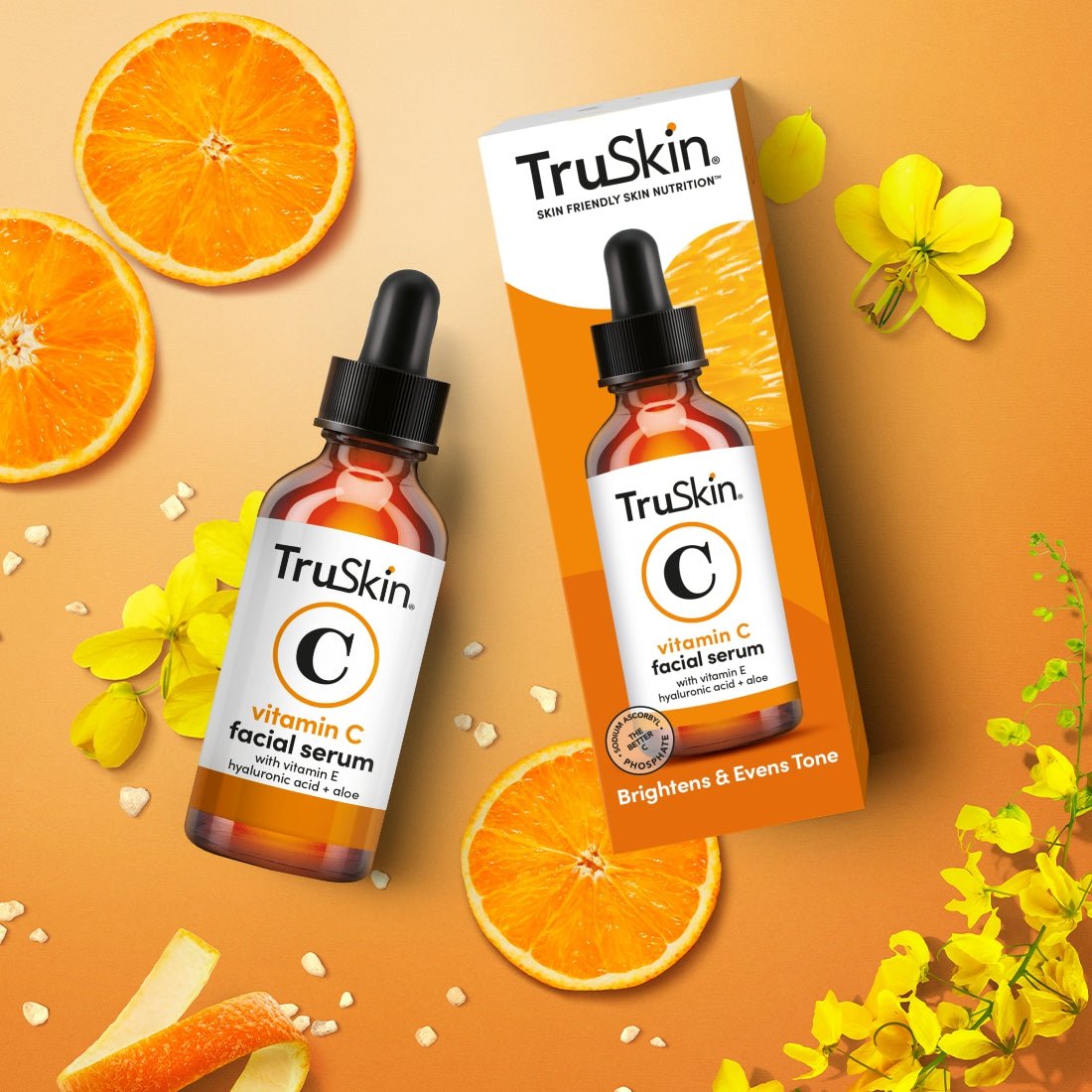
TruSkin Vitamin C Serum — a long-running bestseller that pairs vitamin C with vitamin E and hyaluronic acid; the morning anchor from our first guide. Check price
Pair 4: AHAs/BHAs + Niacinamide — The Flush
This one is milder and stranger. Niacinamide (vitamin B3) is normally the friendliest ingredient in skincare — it layers with almost everything, which is why it’s in half the products you own. But layered directly with strong acids, some people get a hot, red, temporary flush. The leading explanation is that in a strongly acidic environment, a small amount of niacinamide can convert to nicotinic acid, a known vasodilator — your skin gets red and warm for twenty minutes or so.
It’s temporary and not dangerous, but it’s unpleasant and easy to avoid: if acids + niacinamide make you flush, don’t layer them — acids at night, niacinamide whenever else you like. And if it never happens to you? Carry on; this is a “some people” rule, not a law.
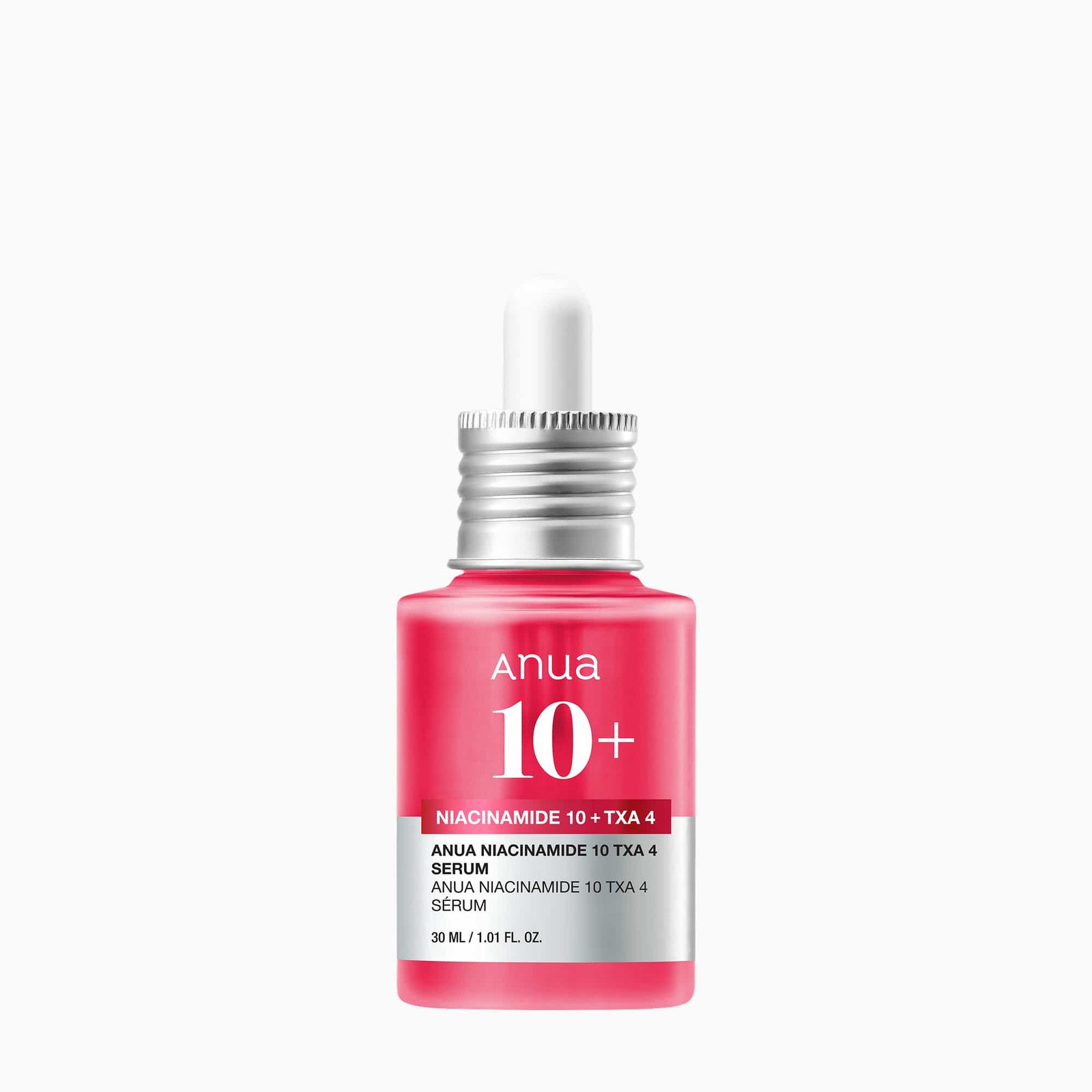
Anua Niacinamide 10 TXA 4 Serum — 10% niacinamide with tranexamic acid and hyaluronic acid; the friendly all-rounder from Guide #1 ($28). Check price
Pair 5: Copper Peptides + Vitamin C / Strong Acids — Handle With Separation
Copper peptides are the trendy “repair and firmness” ingredient, and the standard advice is to keep them away from vitamin C and strong direct acids: the concern is that copper ions and ascorbic acid react with each other, and that a very low pH is unkind to peptides.
We’ll be honest about the evidence here, because that’s the deal on this site: this rule is commonly advised but less rigorously proven than Pairs 1–3. Our take is practical — separating costs you nothing. Copper peptides at night, vitamin C in the morning, acids on their own evenings, and the question becomes moot.
The Famous “Never Mix” That’s (Mostly) a Myth: Vitamin C + Niacinamide
Search “serums you can’t mix” and this pair tops every list. The warning traces back to research from the 1960s, in which niacinamide and ascorbic acid — stored together at high temperatures — could form nicotinic acid. Modern formulations, normal bathroom temperatures, and modern stability testing tell a different story: today’s vitamin C and niacinamide products are, in general, fine to use in the same routine. Many well-formulated products even combine them on purpose.
Two honest caveats: if your skin is reactive, any new pairing deserves a few careful tries, not a leap of faith. And if you ever do get the temporary flush described in Pair 4, the fix is the same — split them into different routines. But “never mix vitamin C and niacinamide” as an absolute rule? Retired. Your shelf is less limited than the internet told you.
The Peacemaker: Azelaic Acid
If this article has a hero, it’s the ingredient that refuses to fight with anyone. Azelaic acid — a gentle, multitasking active used for uneven tone, redness-prone and blemish-prone skin — pairs comfortably with niacinamide, hyaluronic acid, and most moisturizers, and it’s generally considered one of the best-tolerated actives, including by sensitive skin that can’t handle stronger acids.
Beginners who find glycolic or salicylic too much often do far better starting here. Keep the usual cautions (introduce it alone, give it two weeks before judging, don’t stack it with your strongest acid night while you’re adjusting) — but as strong actives go, this is the diplomat.
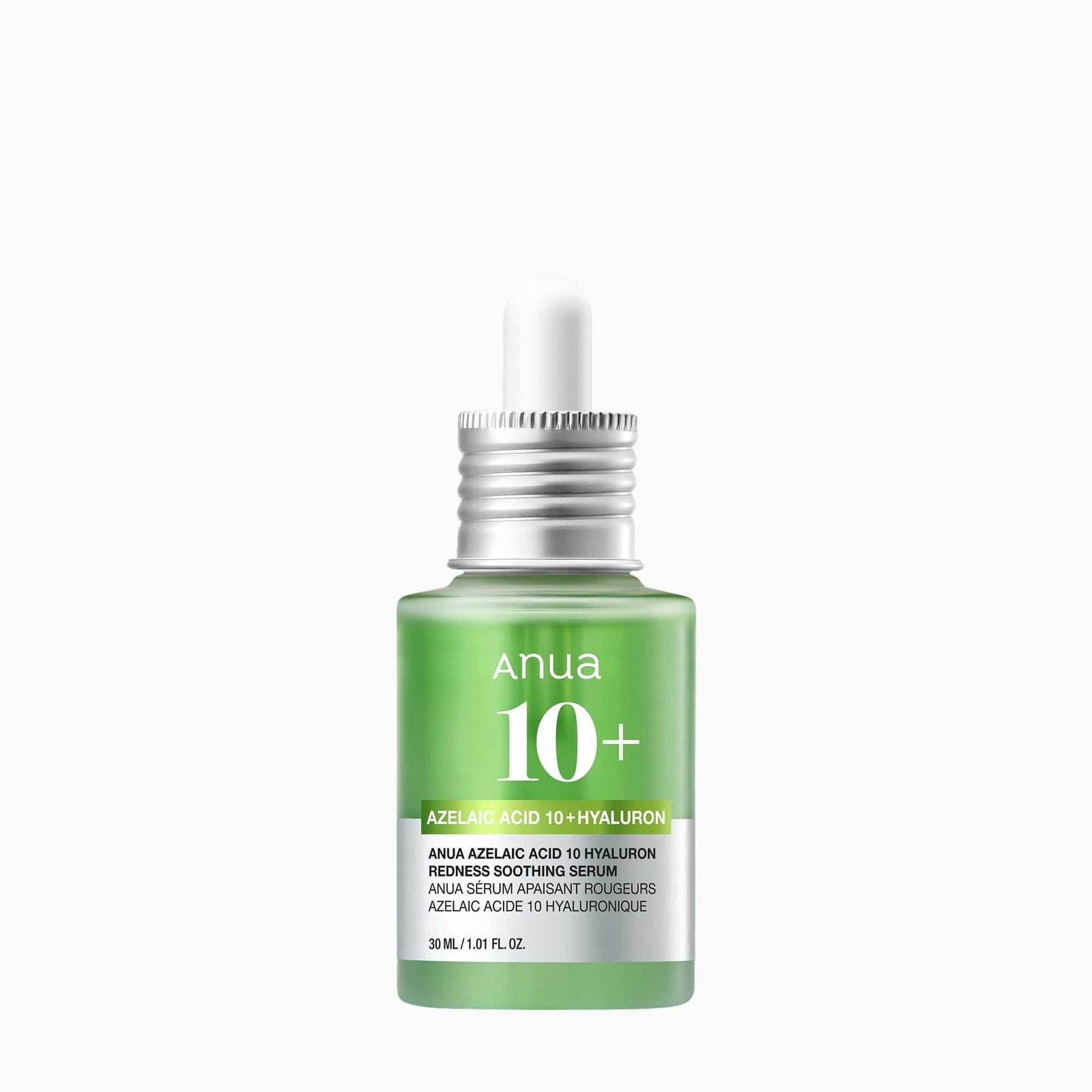
Anua Azelaic Acid 10 Hyaluron Redness Soothing Serum — 10% azelaic acid with hyaluronic acid, made for redness-prone, reactive skin; this guide’s hero pick ($28). Check price
Pairs That Work Beautifully Together
Enough warnings — these combinations are genuinely good:
- Hyaluronic acid + literally anything. It’s a hydrator, not an active fighter. It calms, plumps with water, and makes every strong routine more comfortable. If in doubt, this is the safest layer you own.
- Niacinamide + retinoid. The buffer strategy: niacinamide before or after your retinoid can make the retinoid easier to tolerate while supporting the barrier it’s stressing.
- Vitamin C + vitamin E + ferulic acid. The classic antioxidant trio — the E and ferulic actually stabilize and support the C. Often sold in a single bottle for exactly this reason.
- Ceramides / panthenol + any strong active. Not glamorous, not serums you’ll brag about — the support crew that keeps your barrier intact while the stars do their work (usually in your moisturizer).
- Azelaic acid + niacinamide. The calm couple from the sections above — an easy, low-drama pairing for redness-prone, uneven skin.
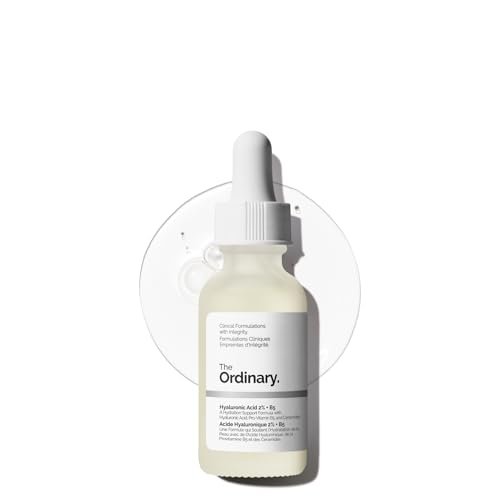
The Ordinary Hyaluronic Acid 2% + B5 — the budget hydration staple; layers under or over anything in this guide. Check price
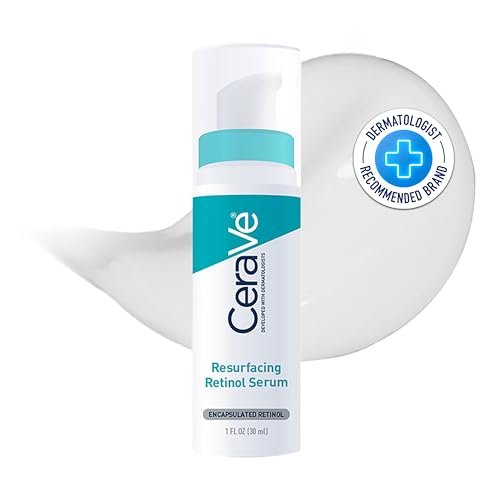
CeraVe Resurfacing Retinol Serum — an encapsulated-retinol starter serum with niacinamide and licorice root, built for beginners easing into retinoids. Check price
How to Layer Safely: The 6 Rules
- Thinnest to thickest. Watery serums first, heavier textures later; oils and creams seal. (Same rule as Guide #1 — it never stops being true.)
- One new active at a time. Introduce a single new serum, use it for two weeks, then judge. If something irritates you, you’ll actually know what it was.
- Give strong actives different shifts. AM/PM split first; alternate nights second. This one habit solves Pairs 1–4 without banning anything from your shelf.
- You don’t need long waits. The old advice to wait 20–30 minutes between layers is mostly unnecessary for modern products. Let each layer absorb until it no longer feels wet — around 30–60 seconds — and move on.
- Patch test anything new. A small area, a few days, before it graduates to your whole face.
- Your barrier outranks your routine. Stinging that doesn’t fade, persistent redness, new flaking — that’s not “purging” to push through. Drop back to cleanser, moisturizer, SPF until things calm down, then reintroduce slowly. A routine your skin can’t tolerate isn’t a routine; it’s an injury schedule.
A Sample Week (Putting It All Together)
Every morning: gentle cleanser → vitamin C serum → moisturizer → SPF
Night A (acid night): cleanser → AHA/BHA (2–3 nights a week total) → moisturizer
Night B (retinoid night): cleanser → niacinamide (buffer) → retinoid → moisturizer
Night C (recovery): cleanser → hyaluronic acid or azelaic acid → moisturizer
Notice what the week does: everything on your shelf gets used, nothing collides, and your skin gets recovery time between strong acts. That — not a drawer of banned combinations — is what “layering like a professional” actually looks like.
How We Chose the Products in This Guide
Same criteria as every Glow & Vital guide: full ingredient transparency with labeled active percentages; a real pattern of verified buyer reviews over months, not days; price per ounce and realistic lifespan; established brands with consistent formulations; and honest claims on the label — a product promising the impossible doesn’t make the cut, however popular it is. Our recommendations are research-based; we don’t claim hands-on testing we haven’t done.
Frequently Asked Questions
Which two serums cannot be used together?
The closest thing to a true “never” is a classic retinoid (like tretinoin) layered with benzoyl peroxide, which can deactivate it — adapalene is the exception. Beyond that, the pairs to keep in different routines are retinoids with AHA/BHA acids, vitamin C with AHA/BHA acids, and strong acids with niacinamide if they make you flush. Separation in time solves all of them.
Which two serums should not be mixed?
Same answer, one nuance: “not mixed in the same routine” is the accurate rule for almost every pair. Very few ingredients are banned from your shelf entirely — they just shouldn’t be applied at the same time.
Can I use two different serums for day and night?
Yes — that is not just allowed, it’s the core strategy of this guide. Vitamin C in the morning and a retinoid or azelaic acid at night is the classic example: two serums, zero conflict, because they’re on different shifts.
Can I mix niacinamide and vitamin C?
In modern products, generally yes. The famous ban comes from a 1960s study under extreme conditions; today’s formulations are stable together, and many products deliberately combine them. If you notice a temporary hot flush, simply use them in different routines.
Which is better, retinol or vitamin C serum?
Neither — they do different jobs. Vitamin C is a daytime antioxidant that supports your sunscreen; retinol is a nighttime cell-turnover active. Most people who use both split them AM/PM rather than choosing.
What should not be mixed with azelaic acid?
Azelaic acid is one of the easiest actives to combine — it pairs well with niacinamide, hyaluronic acid, and moisturizers. While you’re first adjusting, avoid stacking it in the same routine with your strongest AHA/BHA or retinoid, simply to keep irritation low and cause-and-effect clear.
The Bottom Line
Skincare layering has fewer forbidden combinations than the internet claims — one true chemistry clash (retinoids + benzoyl peroxide, adapalene excepted), a handful of irritation pile-ups, and one famous myth that deserves retirement. Everything else is scheduling: thin to thick, one new active at a time, strong ingredients on different shifts, and a barrier that always outranks the routine.
Next in The Radiant Routine: do you really need a toner? What it actually does — and who can skip it with a clear conscience.
Want the next installment the day it drops? Follow @glowandvital on Pinterest and Instagram.
— The Glow & Vital team
Sources & Further Reading
The compatibility guidance in this guide is based on the published research below:
- Martin B, Meunier C, Montels D, Watts O. “Chemical stability of adapalene and tretinoin when combined with benzoyl peroxide in presence and in absence of visible light and ultraviolet radiation.” British Journal of Dermatology, 1998. PubMed
- Lin FH, et al. “Ferulic acid stabilizes a solution of vitamins C and E and doubles its photoprotection of skin.” Journal of Investigative Dermatology, 2005. DOI
- Levin J, Momin SB. “How much do we really know about our favorite cosmeceutical ingredients?” Journal of Clinical and Aesthetic Dermatology, 2010. PMC
- “A comprehensive review of azelaic acid: pharmacological properties, clinical applications, and innovative topical formulations.” Pharmaceuticals, 2025. PubMed
Affiliate Disclosure
Glow & Vital is reader-supported. When you buy through links in our guides, we may earn a commission from Amazon, our Impact partners, or other affiliate programs — at no additional cost to you. As an Amazon Associate, Glow & Vital earns from qualifying purchases.
Commissions never decide our rankings: every recommendation follows the research criteria in “How We Chose the Products in This Guide” above, and products are never featured in exchange for payment placement. You can read the complete policy on our Affiliate Disclosure page: https://glowandvital.com/affiliate-disclosure/