
Most people don’t have a hair problem. They have a routine problem: washing on a schedule they copied from someone with different hair, scrubbing the lengths instead of the scalp, skipping conditioner “because it weighs hair down,” and brushing wet hair like it owes them money. Healthy hair isn’t a product category. It’s the accumulated result of a few unglamorous habits done consistently.
This guide is the everyday routine dermatologists actually describe: how often to wash (by scalp, not by calendar), the right order and technique, how to treat wet hair, heat rules, trims, and the internet’s favorite myth — “hair training” — examined honestly.
Quick note: the product picks in this guide include affiliate links — our full disclosure is at the end of this article.
The Quick Answer
Wash when your scalp needs it: daily is fine for oily, straight hair; textured and curly hair often does best weekly or less — but don’t stretch beyond roughly two to three weeks, for your scalp’s sake. Shampoo the scalp, condition the lengths and ends, every single wash. Detangle wet hair gently with a wide-tooth comb, never a rough brush. Use heat protection when you use heat. Trim to stop split ends from climbing — roughly every 8–12 weeks for most hair. And no, you can’t train your scalp to produce less oil; that’s hormones, not habit.
The One Idea Behind the Whole Routine
Hair is dead fiber. It can’t heal, adapt, or learn. Everything a routine can actually do falls into two jobs:
- Care for the scalp — living skin, where oil, buildup and irritation live, and where hair is made.
- Protect the fiber — every wash, brush and hot tool either preserves the strands you have or wears them down a little faster.
Judge every habit and product by those two jobs and most hair advice sorts itself.
How Often Should You Wash? (By Scalp, Not Calendar)
The American Academy of Dermatology’s guidance doesn’t give a universal number — it splits by oil production and hair type:
- Oily scalp, straight or fine hair: washing daily is fine. Oil travels quickly down a straight strand, and frequent washing with a well-formulated shampoo and conditioner has not been shown to damage hair.
- Normal to dry hair, waves and curls: every few days to weekly is typical; wash when the scalp feels oily, itchy or built-up, not by an arbitrary schedule.
- Coily and textured hair: the AAD specifically advises Black women to wash about once every 1–2 weeks, since this hair is drier and more fragile — with a floor of at least every 2–3 weeks for scalp health.
Signs you’re washing too little: itch, flakes from buildup, a sour scalp smell, limp roots. Signs you’re washing too harshly (a different problem than “too often”): lengths that feel straw-like despite conditioning — usually the fix is a gentler shampoo and better conditioning, not a longer gap.
The Wash, Step by Step
1. Shampoo belongs on the scalp. The AAD’s technique point is simple: concentrate shampoo on cleaning the scalp, not scrubbing the full length. The rinse carries cleanser through the lengths; that’s enough for them. Massage with fingertips (not nails), lukewarm water.
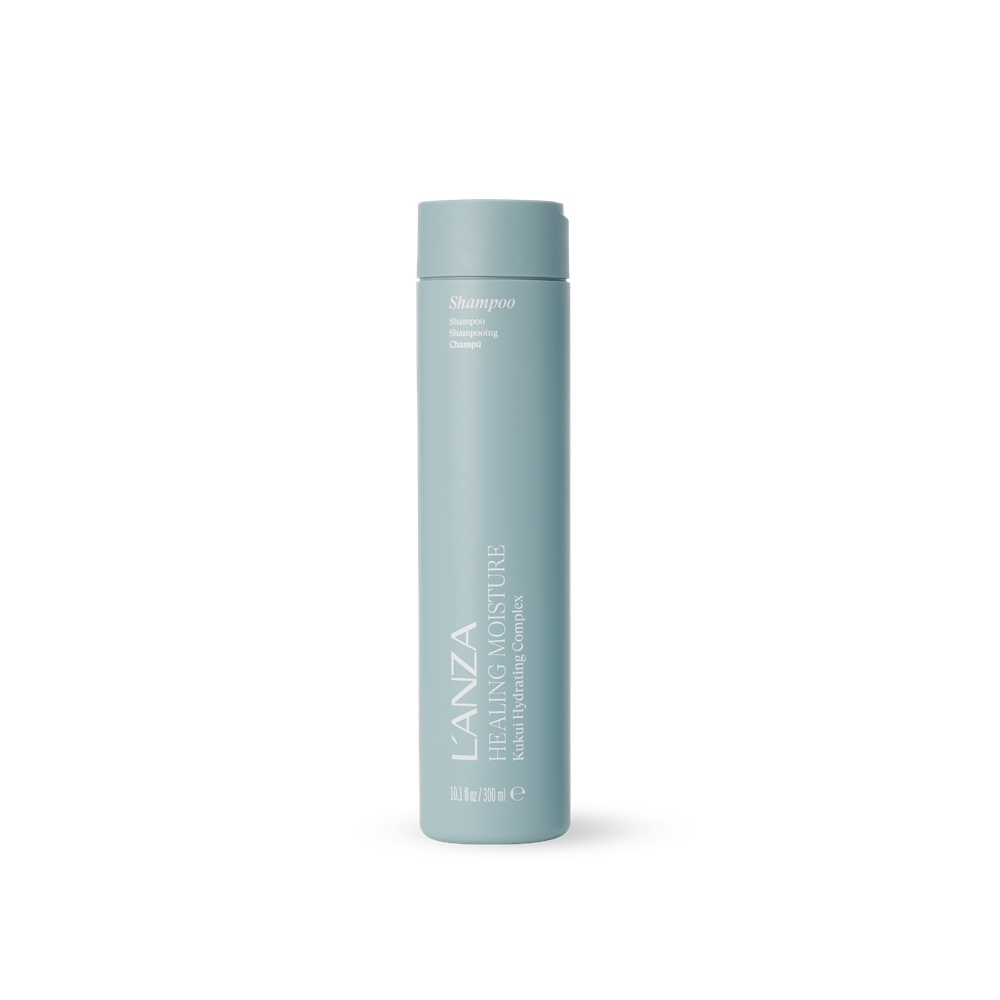
L’ANZA Healing Moisture Tamanu Cream Shampoo — our hero pick: a moisture-focused cream shampoo built for hair that needs cleansing without the stripped feeling. Work it into the scalp and let the rinse do the lengths.
2. Condition every wash — on the lengths and ends. Conditioner isn’t optional or cosmetic: it reduces friction and breakage and replaces what washing removes. Fine or straight hair: mostly the ends. Dry or curly hair: more of the length. Give it a couple of minutes before rinsing.
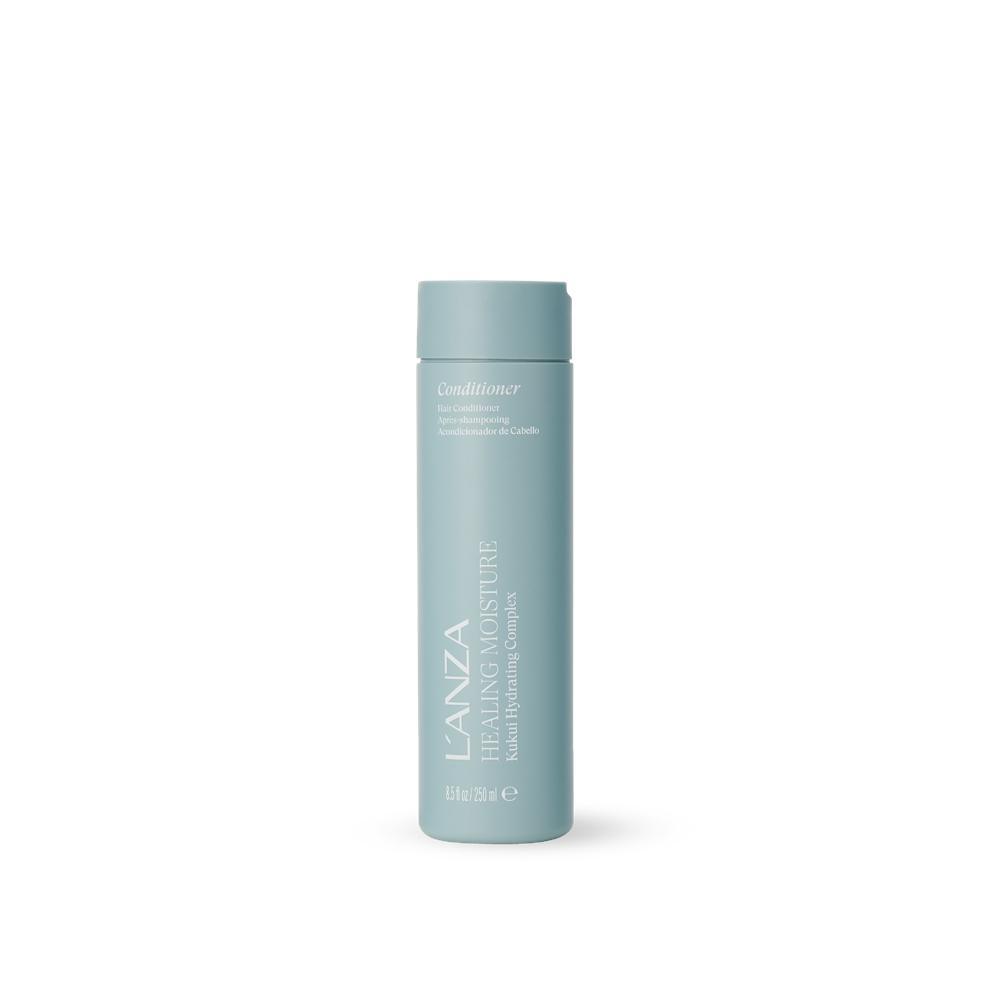
L’ANZA Healing Moisture Kukui Nut Conditioner — the matching conditioner for the lengths-and-ends step: rich enough for dry and textured hair, still rinse-clean. Together with the shampoo, it’s the core of the routine.
3. Rinse cool-ish and be gentle after. Hot water won’t destroy hair, but lukewarm is kinder to both scalp and color. Squeeze water out — don’t wring or rough-towel. A soft t-shirt or microfiber towel genuinely reduces friction frizz.
Wet Hair Is Fragile Hair
Wet strands stretch and break far more easily than dry ones — this is when most mechanical damage happens. Detangle in the shower with conditioner in, using fingers or a wide-tooth comb, starting from the ends and working up in sections. Never rip a brush through wet hair from the root. If you blow-dry, let hair air-dry partway first and keep the dryer moving on a moderate setting.
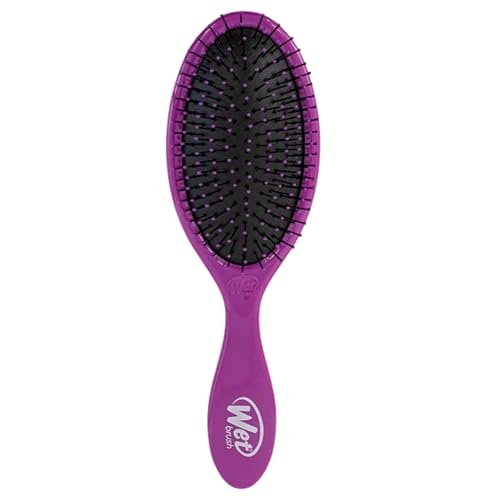
The Wet Brush Original Detangler — the wet-hair tool: flexible bristles made for detangling fragile, conditioner-slick hair with far less snapping than a standard brush. Ends first, in sections, with patience.
The “Healthiest Things to Put in Your Hair”
People ask this constantly, so here’s the honest ranking — it’s shorter than marketing suggests:
- Conditioner, consistently. The single highest-value product in most routines (see above).
- A leave-in or hair oil on the ends, if your hair is dry, long or curly — lubrication against daily friction. A few drops, mid-lengths down.
- Heat protectant, on heat days. If a flat iron or dryer touches your hair, this is the difference between styling and slow damage.
- A mask or deep conditioner weekly, for dry, damaged or color-treated hair (our dye guide’s aftercare applies here too).
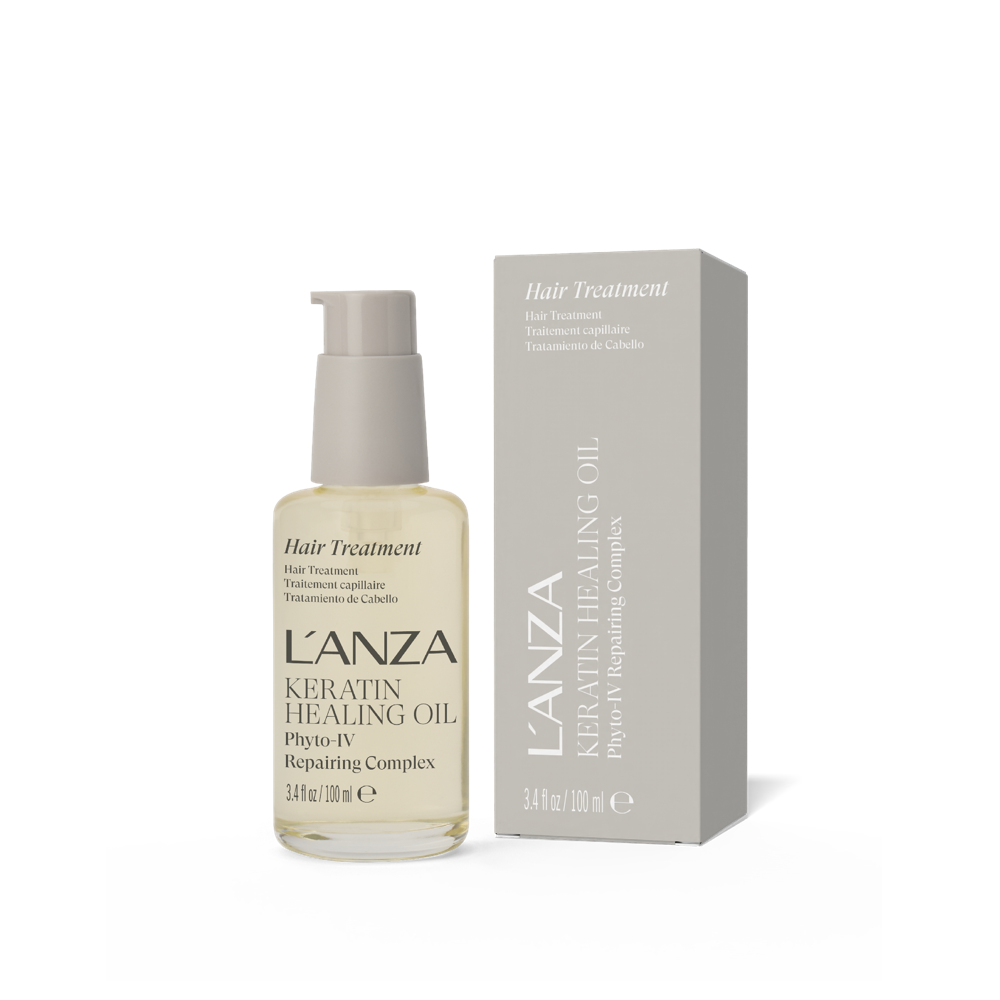
L’ANZA Keratin Healing Oil Hair Treatment — the leave-in step: a few drops through mid-lengths and ends for slip, shine and friction protection. The “healthiest thing to put in your hair” slot, in one bottle.
What’s not on the list: miracle growth oils, and anything promising to repair split ends. Split ends can’t be fused back — only trimmed off. Products can coat and protect; they cannot un-split a strand.
Heat Rules
Heat is a budget, not a ban. Use the lowest temperature that gets the result, protect first, and don’t pass the iron over the same section repeatedly. Hair that’s chemically treated or fine has a smaller budget than thick, virgin hair. And give it rest days — daily high heat will outpace any product you layer under it.
Trims: What They Actually Do
Trims do not make hair grow faster — growth happens at the follicle, at roughly half an inch a month, and scissors at the other end can’t signal it. What trims do is remove split ends before the split travels up the shaft and snaps the strand higher. That’s why regular trims make hair look like it grows better: you stop losing length from the bottom. For most people, every 8–12 weeks keeps ends ahead of damage; very healthy, low-heat hair can stretch longer.
The “Hair Training” Myth
The claim: wash less, and your scalp will “learn” to produce less oil. It’s a lovely story, and dermatologists are fairly united that it isn’t how the body works. Sebum output is driven by hormones and genetics — the glands have no sensor for how often you shampoo, and studies comparing wash frequencies find that oil production doesn’t recalibrate; people mostly recalibrate their tolerance (and reach for more dry shampoo, which absorbs oil but doesn’t clean the scalp — the AAD notes it doesn’t replace washing).
What changing your routine can legitimately do: if you were scrubbing with a harsh shampoo daily, switching to a gentler product and a sane schedule can calm irritation that made your scalp feel oilier and angrier. That’s better product fit, not training. Wash for the scalp you have.
Frequently Asked Questions
How do I take care of my hair every day?
On non-wash days: hands off as much as you can (touching transfers oil), brush gently from the ends up, refresh with a little leave-in on the ends if dry, and protect hair while you sleep (a loose braid or a smooth pillowcase). The daily routine is mostly about not damaging what wash day set up.
What is “no poo”?
A movement to skip shampoo entirely, using water, conditioner-washing or alternatives like baking soda and vinegar. Dermatologists’ caution: the scalp still needs actual cleansing to control buildup and microbes, and harsh DIY substitutes can disrupt pH and irritate. If your scalp itches or smells, it’s asking for a real wash.
Is daily washing bad for hair?
Not by itself. For oily scalps it’s often the right call; damage comes from harsh products, rough handling and heat — not from water and a well-formulated shampoo.
Does trimming make hair grow faster?
No — growth is set at the follicle (~½ inch/month). Trims remove splits before they travel and break the strand, so length is preserved instead of lost.
Why is some hair so much healthier than other hair?
Mostly genetics, chemical history, and cumulative handling — how much heat, color, sun and friction the fiber has absorbed over its life. The routine can’t change your hair type; it decides how much of your length survives in good condition.
The Bottom Line
Healthy hair is a maintenance system, not a purchase. Wash the scalp when it needs it, condition the lengths every time, treat wet hair like it’s fragile (because it is), spend heat carefully, trim splits before they climb, and ignore any routine that asks your sebaceous glands to take instructions. Do those few things consistently and the fiber you’re growing today will still look like it in a year.
Sources & Further Reading
- Health.com (medically reviewed) — Here’s How Often You Should Wash Your Hair: the AAD’s type-based guidance — daily for oily hair, once every 1–2 weeks for textured hair, conditioner after every shampoo. https://www.health.com/how-often-should-you-wash-your-hair-8349178
- HOLR Magazine — How Often Should You Wash Your Hair?: AAD technique points — shampoo focused on the scalp, wet-hair fragility, dry shampoo’s limits. https://holrmagazine.com/how-often-should-you-wash-your-hair/
- NewBeauty — Will “Hair Training” Actually Help Your Oily Scalp? Experts Weigh In: dermatologists and trichologists on the absence of evidence for scalp “training”. https://www.newbeauty.com/view/hair-training
- Restore Hair & Scalp — Debunking the Hair Training Myth: sebum regulation is hormonal (2018 Dermato-Endocrinology review) and why perceived adaptation isn’t gland retraining. https://www.restorehairandscalp.com/post/hair-training-myth
Affiliate Disclosure
Glow & Vital is reader-supported. Some links in this article are affiliate links, which means we may earn a commission if you buy through them — at no additional cost to you. As an Amazon Associate, we earn from qualifying purchases. Affiliate relationships never determine which products we recommend; picks are based on ingredient research, formulation quality and fit for the guide’s purpose. This article is educational and is not medical advice; persistent scalp problems are a dermatologist’s job.