
Your nails don’t break because they’re “weak.” They break because the routine around them — soaking, sawing, cutting cuticles, skipping oil — quietly works against them. The good news: a salon manicure is mostly theater. The parts that actually make nails stronger fit into about 15 minutes, once a week, at your own sink.
This guide is that routine, in order: what each step does, the technique details that decide whether it helps or harms, and the small weekly habits that compound into nails that stop splitting.
Quick note: this article contains affiliate links to products we recommend — our full disclosure is at the end.
The Quick Answer
The weekly routine: clean and fully dry the nails → shape with a fine-grit or glass file, in one direction → brief lukewarm soak (or skip it) → dissolve cuticle buildup with a remover and push back gently → wash, dry, apply a nail strengthener → finish with cuticle oil. Then daily: one drop of cuticle oil, gloves for wet chores, and nothing used as a tool. Fifteen minutes weekly plus 30 seconds daily beats any salon visit.
What Actually Makes Nails Break
- Water. Nails absorb water like a sponge and swell, then shrink as they dry — and that repeated cycle is a leading cause of peeling and splitting. Long soaks and unprotected dish duty are the worst offenders.
- Mechanical damage. Sawing back and forth with a file frays the free edge; prying, peeling polish and using nails as tools chip it.
- A broken cuticle seal. The cuticle seals the gap where the nail grows out. Cut it or tear it and moisture and irritants get in — hangnails, inflammation and weaker growth follow.
- Dryness. A dry nail is a brittle nail. The fix is oil that actually penetrates — applied daily, not occasionally.
Every step below defends against one of those four. If a product or habit doesn’t, it’s decoration.
The Weekly Routine, Step by Step
1. Start clean and dry
Remove old polish and wash your hands — then wait until the nails are completely dry before filing. Filing wet nails is filing them at their weakest and most bendable.
2. Shape: one direction, fine grit
File in one direction only, from the outer edge toward the center. The back-and-forth sawing motion most of us learned frays the layered edge of the nail and invites peeling. Use a fine-grit board (240 grit or finer) or a glass (crystal) file — glass files seal the edge as they shape, rather than tearing it, and nail experts consistently rank them gentler for weak nails. Keep the shape practical: a soft square or squoval with rounded corners snags and breaks less than sharp points.
3. Soften the cuticle — don’t soak forever
If you soak, make it lukewarm water for two or three minutes, tops. The modern alternative is a cuticle remover that dissolves the dead skin chemically, with no soaking at all:
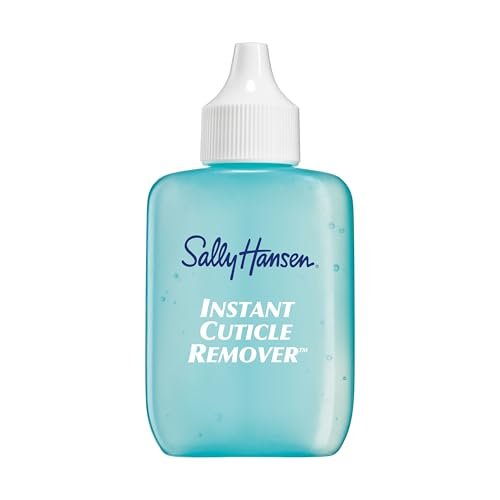
Sally Hansen Instant Cuticle Remover — the budget classic: a gel that dissolves cuticle buildup in about 15 seconds (leave it on no longer than a minute). Apply around each cuticle, push back gently with an orangewood stick, then wash thoroughly with soap and water, as the label directs.
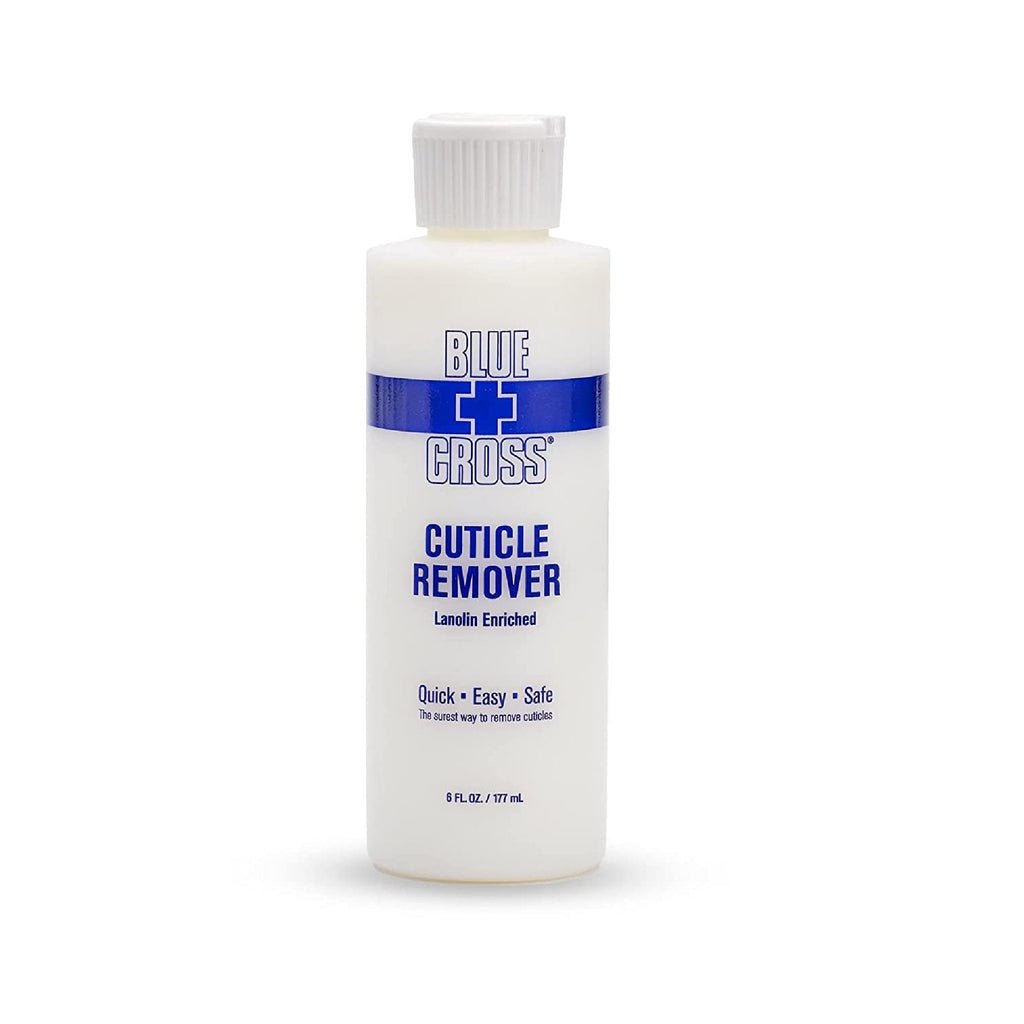
Blue Cross Cuticle Remover & Softener with Lanolin (6 oz) — the salon staple for heavier buildup: a lanolin-enriched liquid used by professionals for decades. The big bottle lasts forever and works out far cheaper per use; apply with a cotton-tipped applicator, give it a moment, push back gently and wash off.
4. Push back — never cut
With the cuticle softened, push it back gently with an orangewood stick or a rubber-tipped pusher, using small circular motions. Trim only loose hangnails that catch — nothing living. Dermatologists are blunt about this: the cuticle is a protective seal, and cutting it opens the door to infection (the red, swollen fold called paronychia) and to the ridges and white spots that show up in the nail months later. The pros don’t cut their own. Neither should you.
5. Strengthen
On clean, fully dry nails, apply a dedicated strengthener as your base. This is the step that changes nails over 4–6 weeks — not overnight, but visibly:
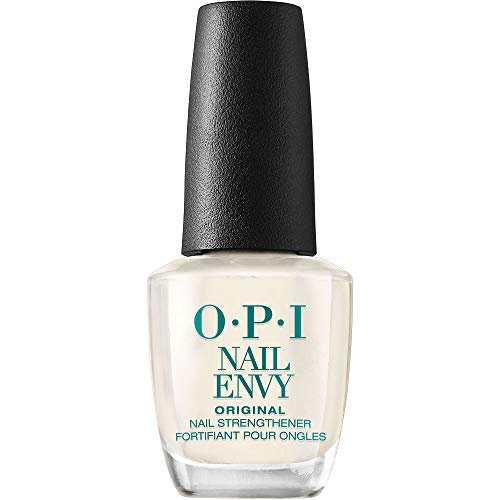
OPI Nail Envy Nail Strengthener — Original — our pick for the routine’s hero step: a treatment-strength base worn alone (two coats to start, one fresh coat every other day for a week, then remove and restart) that reinforces soft, peeling nails while they grow out. It doubles as a base coat under color, too.
A note on expectations: strengtheners reinforce the nail you have; they don’t change the nail your body grows. Peeling tips grow out — most people see the real difference as the stronger new nail replaces the damaged free edge over one to two months.
6. Oil — the step nobody can skip
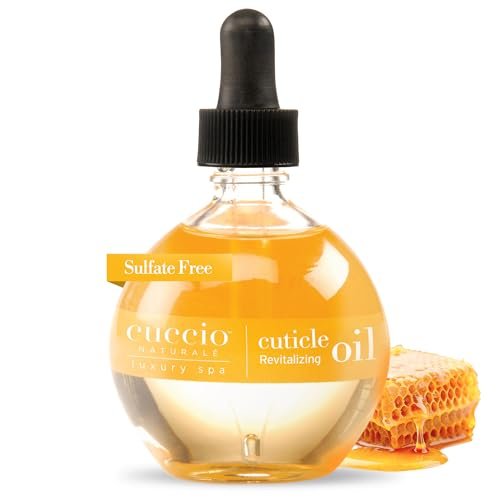
Cuccio Naturale Revitalizing Cuticle Oil — Milk & Honey (0.5 oz) — the finishing step of the weekly routine and the daily habit that makes it work: an oil blend (safflower, sunflower, vitamin E) that absorbs into the nail and the seal around it. One small drop per nail, massaged in for ten seconds each.
Why oil and not cream? Flexible nails bend instead of snapping, and the right oils penetrate the nail plate to keep it flexible — creams mostly sit on the surface. Our cuticle-care guide goes deeper on the daily system; for the manicure routine, the rule is simple: the manicure isn’t finished until the oil is on.
The Daily 30 Seconds That Do the Heavy Lifting
- Oil daily — ideally at night, ideally after hand-washing. Keep the bottle where you’ll actually use it: nightstand, not bathroom cabinet.
- Gloves for dishes and cleaning. Water plus detergents is the #1 nail-weakening combo in daily life. This single habit changes more than any product.
- Hand cream after washing, worked into the nails and cuticles — it slows the water-cycle drying between washes.
- Nails are not tools. No can-opening, label-peeling or box-prying. Use the side of a finger, a spoon, anything else.
- Don’t peel polish. Peeling lifts layers of the nail plate with it. Remove it properly, or buff the lifted edge smooth.
When to Skip the Routine and See a Doctor
This routine is cosmetic care for normal, healthy nails. See a dermatologist if you notice a new or changing dark streak, a nail separating from the bed, persistent redness or swelling around a nail, thickening or crumbling (possible fungal infection), or a nail that changes shape or color without a clear cause. Those aren’t routine problems — they’re medical ones.
The Bottom Line
Stronger nails don’t come from the salon — they come from stopping the four things that weaken them (water cycles, sawing, cut cutting, dryness) and adding the two habits that reinforce them (a strengthener weekly, oil daily). Fifteen minutes on Sunday, thirty seconds a day, and one honest rule: never cut the seal.
Sources & Further Reading
- American Academy of Dermatology — Nail Care Basics / Manicure safety: keep nails clean and dry, moisturize cuticles, do not cut cuticles (they seal out bacteria), and file in one direction. https://www.aad.org/public/everyday-care/nail-care-secrets
- Mayo Clinic — Nails: How to Keep Your Fingernails Healthy: don’t bite or cut cuticles; the cuticle acts as a barrier against bacteria and fungi. https://www.mayoclinic.org/healthy-lifestyle/adult-health/in-depth/nails/art-20044961
- NPR, quoting Dr. Dana Stern — Nail Experts on Glass Files and Cuticle Care: glass files seal the nail edge; cuticle cutting breaks the protective seal and can lead to paronychia. https://www.npr.org/2024/07/23/nx-s1-5034863/nail-health-expert-tips-manicure-pedicure
- Cleveland Clinic — Paronychia: how a broken cuticle barrier leads to nail-fold infection, and its signs. https://my.clevelandclinic.org/health/diseases/15327-paronychia
Affiliate Disclosure
Glow & Vital is reader-supported. Some links in this article are affiliate links, which means we may earn a commission if you buy through them — at no additional cost to you. As an Amazon Associate, we earn from qualifying purchases. Affiliate relationships never determine which products we recommend; picks are based on ingredient research, formulation quality and fit for the guide’s purpose. This article is educational and is not medical advice.