
In our first Radiant Routine guide, we called toner “the most skippable step of all” — and your questions came right back at us: Is toner really necessary? Who should not use a toner? What toners do Koreans actually use?
Fair questions, because toner is the most confusing bottle in skincare. It is sold as essential and dismissed as scented water, sometimes by the same brand. The truth sits in an unfashionable middle: toner is an optional step that used to be necessary, became pointless, and then quietly turned into something else entirely. Whether it earns a place in your routine depends on which of its modern jobs — if any — you actually need done.
Usual transparency note: our picks are research-based — ingredient lists, verified buyer reviews, brand track records. We don’t claim hands-on testing we haven’t done, and nothing here is medical advice.
The Quick Answer
No, toner is not necessary — not if you cleanse with a modern, gentle, pH-balanced cleanser and your skin feels comfortable afterward. That is most people, most of the time.
A toner earns its place in three specific cases:
- Your skin is dry or dehydrated and wants an extra layer of water before moisturizer
- You like your exfoliating acid in liquid form (an “acid toner” is your exfoliation step)
- You wear the kind of day — heavy sunscreen, hard water, city grime — where a final sweep genuinely finds something left behind
Everything else is preference. And one kind of toner — the old alcohol astringent — most people are better off skipping entirely. Let’s unpack all of that.
What Toner Was Invented For (and Why That Reason Expired)
Toner is a product from the soap era. Traditional soap is alkaline — pH 9 or 10 — and it left two problems on your face: a raised skin pH (your skin surface naturally sits around pH 4.7, mildly acidic) and a filmy residue of soap scum, especially in hard water. The original toners and astringents were the cleanup crew: acidic, often alcohol-heavy liquids that removed the film, dragged the pH back down, and degreased oily skin in the process. The tight, squeaky “toned” feeling was the product working — and quietly stripping you.
Two things changed:
Cleansers grew up. Modern facial cleansers are overwhelmingly formulated near skin pH. They don’t leave your face alkaline, and they rinse clean. The problem toner was invented to solve mostly no longer exists.
We learned skin fixes its own pH. In a widely cited study of 330 people, researchers found the natural skin surface pH averages about 4.7 — and while plain tap water can raise it, the skin returns to its natural value on its own within hours. You do not need a product to “restore” what your skin restores by itself.
That is why dermatologists, asked directly, tend to give the same answer: with a good modern cleanser, toner is not a necessary step. Its original job is done.
So Why Does Toner Still Exist? The 3 Modern Jobs
Because the category got reinvented. Almost nothing sold as toner today is the alcohol astringent of the soap era. Modern toners do three completely different jobs:
Job 1 — A layer of water. Hydrating toners are mostly water plus humectants (glycerin, hyaluronic acid, panthenol). Applied to damp skin and sealed in with moisturizer, they add a thin layer of hydration that a cream alone doesn’t provide. This is the entire secret behind the dewy K-beauty look — and it’s a real, if modest, effect.
Job 2 — A vehicle for actives. A toner is, mechanically, just a watery liquid — which makes it a convenient delivery format. Exfoliating acids, niacinamide, vitamin C derivatives all come in “toner” form. When a toner contains a real active, judge it as that active: an acid toner is an exfoliant with the same rules as any exfoliant (see Guide #2), not a gentle extra.
Job 3 — The final sweep. On a cotton pad, a toner picks up what cleansing left: hard-water mineral film, cleanser residue, the edge of your sunscreen. Legitimate, minor, and for many people completely unnecessary — a good cleanser handles it.
And two things toner does not do, whatever the label implies: it does not “shrink” or “close” pores (pores have no muscle; they don’t open and close — their appearance changes with oil and debris, which is a cleansing and exfoliation topic), and it does not meaningfully “balance your pH” beyond what your skin already does alone.
The 3 Types of Toner Worth Knowing
Type 1: Hydrating Toners — Water, Upgraded
Thin, alcohol-free liquids built on humectants. Their whole job is Job 1: leave skin damp, soft, and ready for serum. The most forgiving category in skincare — almost every skin type tolerates them, and overuse is nearly impossible.
Quick note: the product picks in this guide include affiliate links — our full disclosure is at the end of this article.
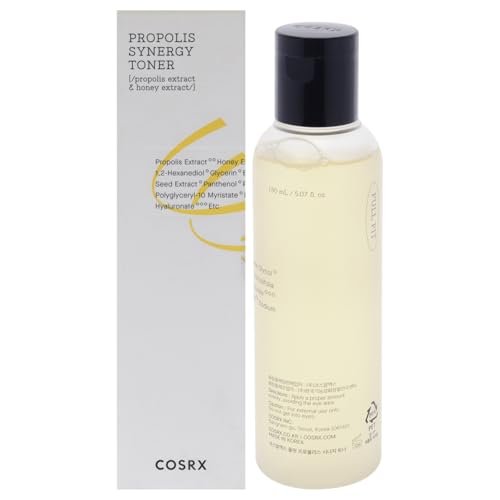
COSRX Full Fit Propolis Synergy Toner (150 ml) — The hydrating pick. 72.6% black bee propolis extract plus 10% honey extract in an essence-like liquid: less “toner water”, more glow layer. Best for dry, dull, or dehydrated skin that wants the dewy finish K-beauty is famous for. Alcohol-free.
Type 2: Exfoliating (Acid) Toners — Treatment in Disguise
Glycolic, lactic, salicylic (BHA), or gentler PHA formulas in a watery base. These are real exfoliants, and they follow exfoliant rules: start 2–3 nights a week, don’t stack them with another acid serum the same night, and don’t treat “it’s just a toner” as permission to use them twice a day. Used properly, they’re an elegant format — the liquid spreads evenly and layers under everything.
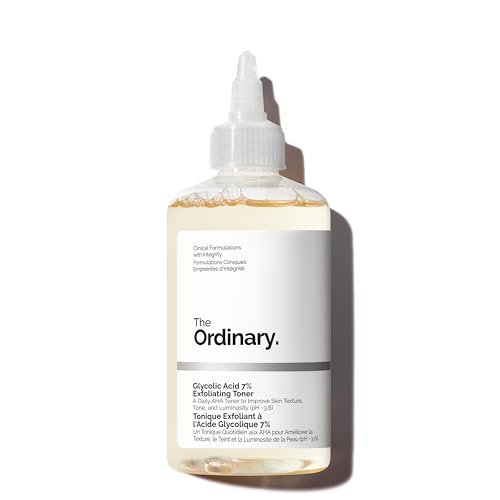
The Ordinary Glycolic Acid 7% Exfoliating Toner (240 ml) — The classic acid toner. 7% glycolic acid at pH ~3.6, with aloe, ginseng and Tasmanian pepperberry to take the edge off. A big bottle that lasts months of 2–3 nights a week. Not for sensitive or compromised skin — this is a real exfoliant.
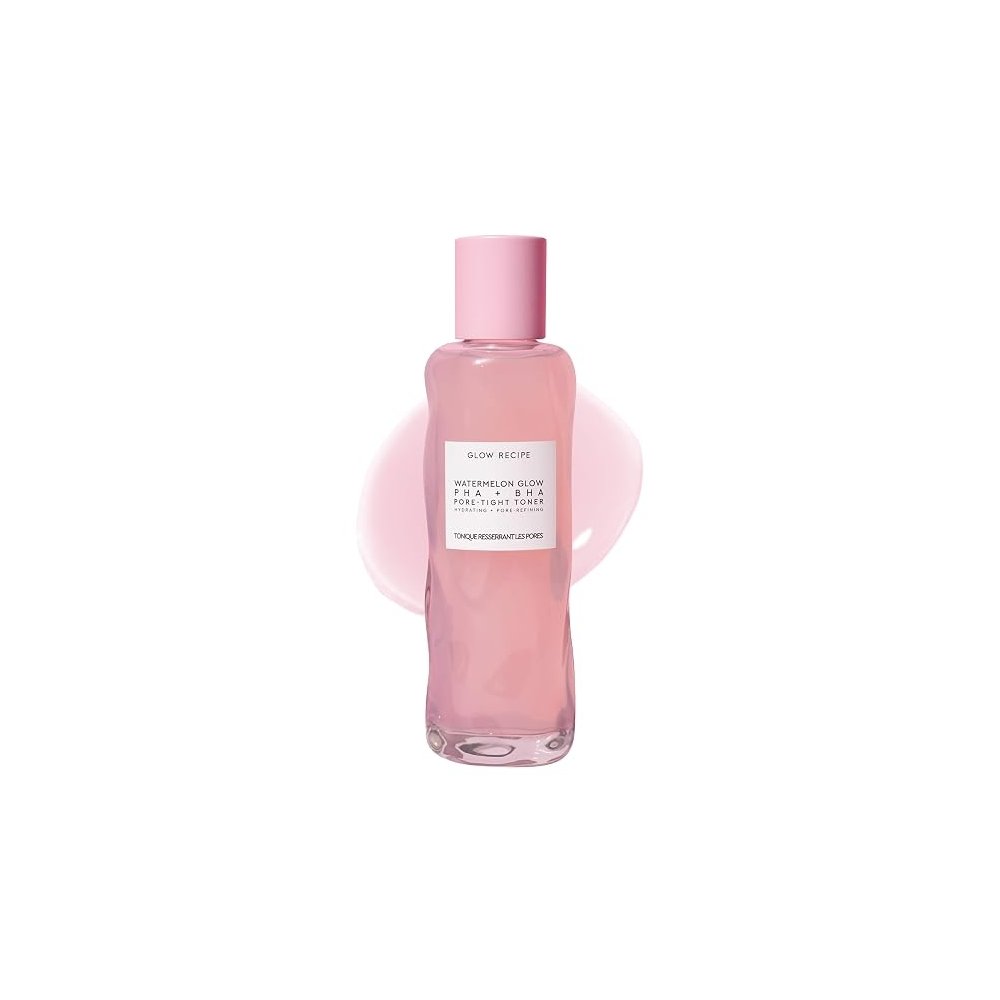
Glow Recipe Watermelon Glow PHA + BHA Pore-Tight Toner (150 ml) — The gentle hybrid. PHA (a large molecule that barely penetrates) plus willow-bark BHA in a hydrating watermelon and cactus-water base: mild daily exfoliation that behaves like a hydrating toner. The beginner-friendly way into acid toners.
Type 3: Soothing Toners — the K-Beauty “Skin”
In Korean routines, the first liquid after cleansing is often called a “skin” or “softener” — a calming, hydrating layer built on ingredients like heartleaf, centella, or rice. The philosophy is different from the Western astringent tradition: comfort first, barrier always. This is also the honest answer to “what toners do Koreans actually use?” — not a single famous bottle, but this category: gentle, watery, layered (sometimes more than one layer) before serums.
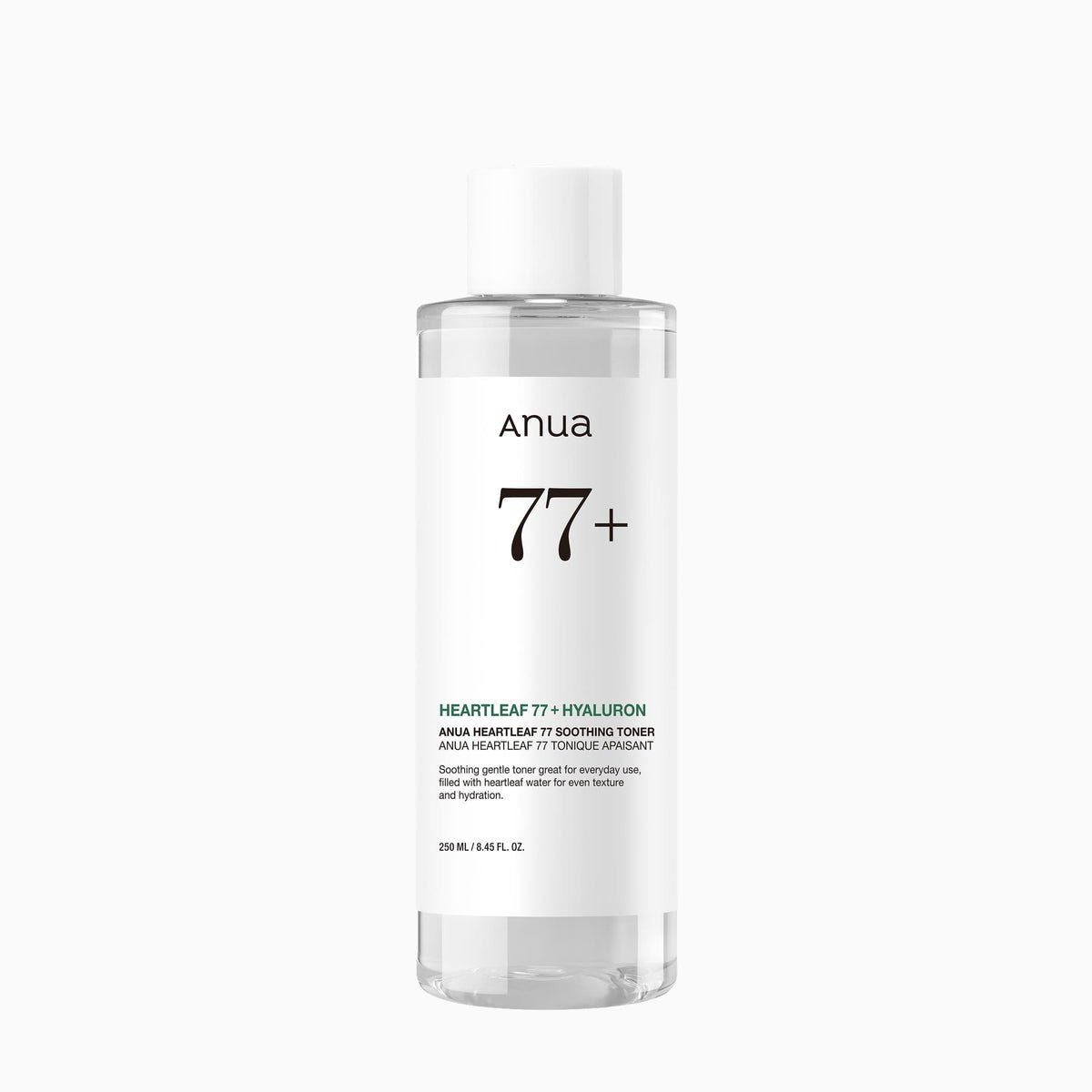
Anua Heartleaf 77 Soothing Toner (250 ml) — The hero return from Guide #1. 77% heartleaf extract in a watery, alcohol-free layer that calms as it hydrates — the K-beauty “skin” step done right. Layer it once or twice on damp skin; it suits sensitive and reactive skin best.
And the type to leave behind: classic astringents — high-alcohol, witch-hazel-heavy “oil control” toners. They still have a narrow use (very oily skin, short-term), but for dry, sensitive, or mature skin they’re a step backward: the degreased feeling is your barrier lipids leaving. If your toner stings and smells like a cocktail, it belongs to the soap era.
Who Genuinely Benefits
- Dry or dehydrated skin — a humectant toner on damp skin, sealed with moisturizer, is a legitimate comfort upgrade
- Hard-water households — the final sweep removes the mineral film that can leave skin tight and products pilling
- Liquid-exfoliant fans — if an acid toner is your exfoliation format of choice, it’s doing real treatment work
- Layering enthusiasts — the K-beauty approach (toner → essence → serum) is a valid preference, not a scam; it just isn’t a requirement
Who Should Skip It — With a Clear Conscience
- Your routine already works. Comfortable skin after cleansing, moisturizer doing its job? A toner adds a step, not a result. This is the majority of people.
- Your “toner” is an alcohol astringent and your skin is dry, sensitive, or over 40. You’re paying to remove what your moisturizer then has to replace.
- Your barrier is currently compromised. Stinging, flaking, raw patches: the correct move is fewer products — cleanser, moisturizer, SPF — until it heals. Even gentle toners can sting on broken skin.
- You’d be duplicating a serum. Hydrating toner under a hyaluronic acid serum under a niacinamide moisturizer is the same ingredient three times. Pick the format you enjoy and skip the echoes.
- Anyone on a budget. If money is choosing for you, toner is the first step to cut. Cleanser, moisturizer, and sunscreen outrank it by a mile — that’s not our opinion, it’s the structure of every routine in this series.
How to Use a Toner Properly (If You Use One)
- Right after cleansing, on damp — not dry — skin. Humectants grab the water that’s already there. This is the single biggest difference between a toner that works and one that feels like nothing.
- Hands beat cotton pads for hydrating and soothing toners: less product wasted, nothing absorbed into the cotton. Save the pad for the final-sweep job or acid toners you don’t want on your palms.
- Don’t rinse it off. Toner is a leave-on step — rinsing deletes the ingredients you just applied. (This is a real and very common question; now you know.)
- Then serum, then moisturizer, while still slightly damp. The moisturizer is the lid that keeps the water layer from evaporating.
- Acid toners follow acid rules: 2–3 nights a week to start, never layered with a second strong acid or a retinoid on the same night (Guide #2 has the full pairing chart).
- Twice a day is fine for hydrating toners — and only for them. More is not better with any active format.
How We Chose the Products in This Guide
Same criteria as every Glow & Vital guide: full ingredient transparency with labeled active percentages; a real pattern of verified buyer reviews over months, not days; price per ounce and realistic lifespan; established brands with consistent formulations; and honest claims on the label — a product promising the impossible doesn’t make the cut, however popular it is. For toners specifically, we also required: no drying alcohol high in the ingredient list, and a stated job (hydrate, exfoliate, or soothe) the formula can actually deliver. Our recommendations are research-based; we don’t claim hands-on testing we haven’t done.
Frequently Asked Questions
Is toner really necessary?
No — not with a modern, gentle cleanser. Toner was invented to fix alkaline soap’s residue and pH spike; today’s cleansers are pH-balanced and rinse clean, and your skin restores its own pH within hours. A toner can still be useful (hydration layer, liquid exfoliant), but “useful extra” and “necessary” are different things.
Who should not use a toner?
Anyone whose barrier is currently damaged (stinging, flaking, raw skin) should pause all non-essentials, toner included. And people with dry or sensitive skin should avoid alcohol-based astringent toners specifically. Beyond that, “should not” is really “doesn’t need to” — see the skip list above.
What is the best face toner?
The best toner is the one matched to a job: a humectant formula for hydration, an acid formula for exfoliation, a heartleaf/centella formula for soothing. There is no universal number one — which is exactly why “best toner” lists that ignore the three types mislead. Our picks above are organized by job for that reason.
What toners do Koreans actually use?
Mostly the soothing/hydrating type — called “skin” or “softener” in Korean routines: watery, alcohol-free layers with ingredients like heartleaf, centella, rice, or propolis, applied with hands on damp skin, sometimes in more than one layer, before essences and serums. The Anua Heartleaf 77 in this guide is a representative example.
Do you wash toner off after applying it?
No. Toner is a leave-on product — washing it off removes the humectants or actives you applied it for. Pat it in, let it settle for a few seconds, and continue with serum and moisturizer.
Can I use toner every day?
Hydrating and soothing toners: yes, once or twice daily. Exfoliating (acid) toners: no — treat them like any exfoliant, 2–3 nights a week to start, and never in the same routine as another strong acid or a retinoid.
The Bottom Line
Toner is neither essential nor useless — it’s a tool with three modern jobs (a layer of water, a vehicle for actives, a final sweep) and one expired one (fixing your cleanser). If one of those jobs is genuinely missing from your routine, buy for the job, in the right type, and use it on damp skin. If none of them is missing, skip the step with a clear conscience and spend the money on the steps that carry the routine: cleanser, moisturizer, sunscreen.
Next in The Radiant Routine — our first Hair Care guide: how to dye your hair at home without frying it, step by step.
Want the next installment the day it drops? Follow @glowandvital on Pinterest and Instagram.
— The Glow & Vital team
Sources & Further Reading
The guidance in this guide is based on the published research and expert sources below:
- Lambers H, Piessens S, Bloem A, Pronk H, Finkel P. “Natural skin surface pH is on average below 5, which is beneficial for its resident flora.” International Journal of Cosmetic Science, 2006. pubmed.ncbi.nlm.nih.gov/18489300
- Yoo J. “Evaluating the Necessity of Toners in Skincare.” Jane Yoo MD (board-certified dermatologist), 2023. janeyoomd.com
- Levin J, Momin SB. “How much do we really know about our favorite cosmeceutical ingredients?” Journal of Clinical and Aesthetic Dermatology, 2010. ncbi.nlm.nih.gov/pmc/articles/PMC2921764
Affiliate Disclosure
Glow & Vital is reader-supported. When you buy through links in our guides, we may earn a commission from Amazon, our Impact partners, or other affiliate programs — at no additional cost to you. As an Amazon Associate, Glow & Vital earns from qualifying purchases.
Commissions never decide our rankings: every recommendation follows the research criteria in “How We Chose the Products in This Guide” above, and products are never featured in exchange for payment placement. You can read the complete policy on our Affiliate Disclosure page: glowandvital.com/affiliate-disclosure