
The most important structure in your nail isn’t the nail. It’s the two millimeters of skin at its base — the cuticle — a part most of us have been taught to cut off, push around, or ignore entirely. Dermatologists see it differently: that tiny seal quietly decides whether your nails grow in smooth and strong, or ridged, peeling and infection-prone. This guide is the full picture: what the cuticle actually does, what happens when it’s damaged, and the simple care that keeps it working.
Quick note: the product picks in this guide include affiliate links — our full disclosure is at the end of this article.
The Quick Answer
Your cuticle is a living seal that keeps water and bacteria out of the nail unit. Don’t cut it. Keep it soft with cuticle oil once or twice a day, rescue cracked cuticles with an occlusive balm at night, tidy it only by gentle push-backs after softening — and the nails it protects will grow in smoother and break less.
First, a Distinction That Changes Everything
Two tissues get lumped together as “cuticle,” and confusing them is where most damage starts:
- The true cuticle is a thin film of dead cells shed onto the surface of the nail plate as it grows. It’s non-living, has no blood supply, and removing it — gently, after softening — is safe and standard.
- The eponychium is the living skin fold at the base of the nail. Its underside produces the cuticle film, and it physically seals the gap between skin and plate.
The seal is the point. Nail specialist and dermatologist Dana Stern, MD, compares the cuticle to the grout between shower tiles: it keeps water and microorganisms out of the nail unit. Cutting tools can’t reliably tell dead film from living seal — which is why the American Academy of Dermatology and Mayo Clinic both advise against cutting cuticles, full stop.
What Happens When the Seal Breaks
A compromised cuticle doesn’t just look untidy. It sets off a chain:
- Dryness. A dry seal turns stiff and cracks — the same way chapped lips split.
- Hangnails. Cracked edges lift into the little torn flaps that catch on everything. Pulling or biting them tears living skin.
- Paronychia. Bacteria enter through the break and infect the fold: redness, swelling, tenderness, sometimes pus.
- Nail changes. Because the nail matrix — the growth engine — sits just behind the seal, repeated inflammation can show up in the plate itself: ridges, white patches, discoloration, uneven growth.
In other words, your nail problems may not start in the nail. They start at the seal.
The Four Enemies of a Healthy Cuticle
- Water and washing. Necessary, but every soak and wash swells and dries the fold. Frequent hand-washers and dish-doers get the driest cuticles.
- Chemicals. Detergents, solvents and acetone strip the oils the seal depends on.
- Cutting and picking. The fastest way to break the seal deliberately.
- Dry air. Winter heating and air conditioning pull moisture out all day.
You can’t eliminate any of them — and shouldn’t try. The answer is replacing what they take, daily.
The Daily Habit: Oil, and Why It Works
Cuticle oil does two jobs at once. It conditions the living fold, keeping it soft and crack-resistant, and it conditions the nail plate itself — a hydrated plate is flexible, and flexible nails bend instead of snapping. Formulations built on jojoba are popular with dermatologists for a reason: jojoba is a wax ester unusually similar to the skin’s own sebum, so it absorbs readily instead of sitting on top.
The technique is trivially simple: one small drop per nail, massaged into the base for a few seconds, once or twice a day — after washing hands or before bed are the moments that stick.
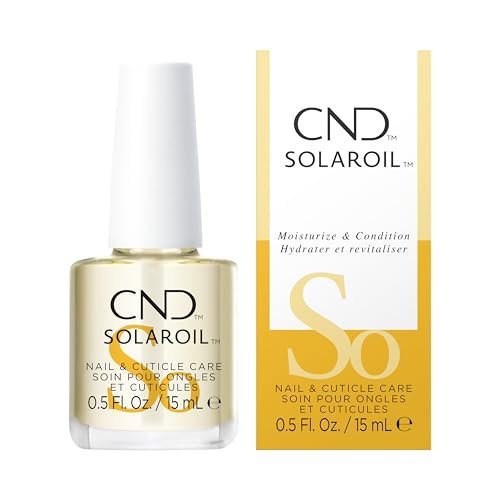
CND SolarOil Nail & Cuticle Care (0.5 fl oz) — the salon-standard oil, built on jojoba with vitamin E, rice bran and sweet almond oils. Light, fast-absorbing, and designed for exactly this daily use; it’s the bottle nail professionals reach for, and the benchmark every other oil here is compared to.
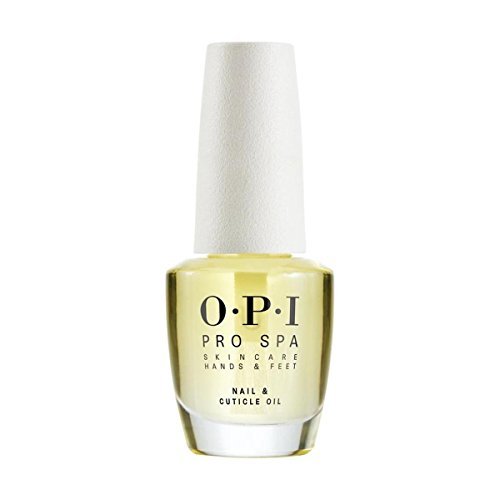
OPI ProSpa Nail & Cuticle Oil — the premium alternative: avocado, kukui and sunflower oils in a slightly richer blend. Choose it if your cuticles run very dry, or if you prefer OPI’s ecosystem alongside your strengthener (it pairs naturally with the Nail Envy routine in our at-home manicure guide).
The Night Shift: Balms for Very Dry Cuticles
Oil maintains; balm rescues. When cuticles are already cracked, peeling or winter-beaten, an occlusive balm before bed — ideally with cotton gloves over it — holds moisture against the skin for hours instead of minutes.
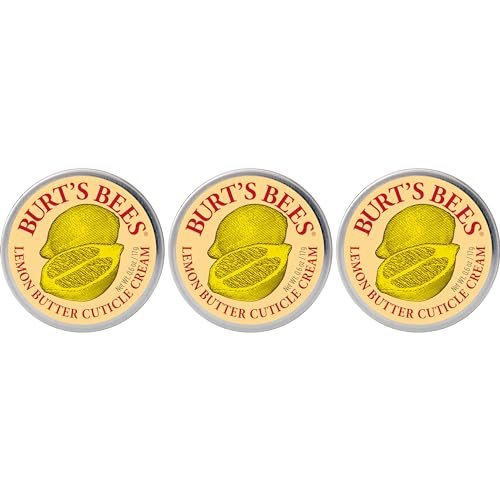
Burt’s Bees Lemon Butter Cuticle Cream — the classic tin: sweet almond oil, cocoa butter and beeswax in a rich, occlusive formula with a clean lemon scent. Too heavy for midday use at a keyboard; perfect as the last step of the night. A little goes a long way, and one tin lasts for months.
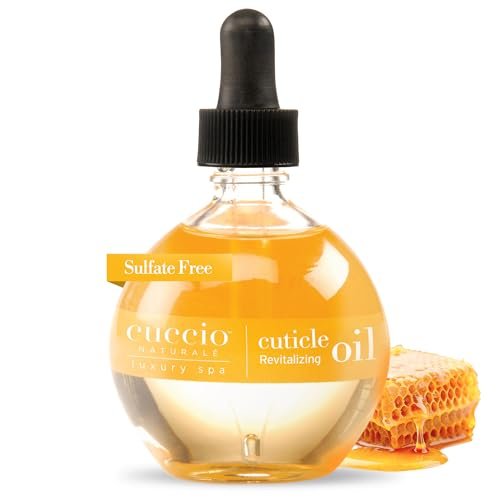
Cuccio Naturale Revitalizing Cuticle Oil — Milk & Honey (from our manicure-routine guide) — if scent decides whether a habit survives, this is the one: a warm milk-and-honey fragrance with a genuinely enjoyable application, at a friendlier price for everyday use across all ten nails.
Pushing Back, Safely
Neat cuticles don’t require cutting — they require timing and gentleness:
- Soften first. After a shower, or after a two-minute warm soak, the fold is pliable.
- Use a washcloth or orange stick, never a blade. Small circular nudges, no force.
- Stop at resistance. If it hurts or tears, it wasn’t ready — moisturize and try another day.
- Oil immediately after to protect the seal you just tidied.
And the hangnail protocol: don’t pull it, don’t bite it. Clip it cleanly at the base with a clean clipper, then oil the spot. A hangnail is a symptom of dryness — treat the cause and they mostly stop appearing.
When Cuticle Care Isn’t Enough
See a dermatologist if you notice pain, swelling, warmth or pus around a nail; a fold that’s chronically red and puffy; discoloration that doesn’t grow out with the nail; or a nail separating from its bed. These are signs of infection or other conditions that oils and balms can’t fix — and catching them early protects the matrix that grows every future nail.
FAQ
If I stop cutting my cuticles, will they look overgrown forever?
For the first couple of weeks, possibly — then the fold settles. With daily oil and gentle post-shower push-backs, most people find their cuticles look tidier uncut, because they’re no longer inflamed or ragged from trimming.
How often should I use cuticle oil, really?
Once a day is the habit that matters; twice if your hands live in water. Consistency beats quantity — a small drop daily outperforms a weekly soak.
Can cuticle care actually make nails grow longer?
It doesn’t speed up the matrix — growth rate is largely genetic. What it does is stop the breakage and infections that keep nails from ever reaching their length. Longer nails are usually just nails that stopped breaking.
The Bottom Line
Your cuticle is a seal, not a flaw. Keep it soft with daily oil, rescue it with balm when it’s cracked, tidy it gently and never cut the living tissue — and the nails it protects will repay you by growing in smoother, stronger and far less troublesome.
Sources & Further Reading
- American Academy of Dermatology — Nail Care Basics / Manicure safety: keep nails clean and dry, moisturize cuticles, and never cut the living cuticle seal. https://www.aad.org/public/everyday-care/nail-care-secrets
- Mayo Clinic — Nails: How to Keep Your Fingernails Healthy: dos and don’ts for nails and cuticles, including why the cuticle should not be cut. https://www.mayoclinic.org/healthy-lifestyle/adult-health/in-depth/nails/art-20044961
- Bustle — Is It Actually Bad To Cut Your Cuticles?, with Dana Stern, MD: why cutting breaks the protective seal.
- The Nail Wiki — The Eponychium and Cuticle: What They Are and Why the Distinction Matters.
- Healthline — Pushing Back Cuticles: Health Benefits, Precautions, How to Do It.
Affiliate Disclosure
Glow & Vital is reader-supported. Some links in this article are affiliate links, which means we may earn a commission if you buy through them — at no additional cost to you. As an Amazon Associate, we earn from qualifying purchases. Affiliate relationships never determine which products we recommend; picks are based on ingredient research, formulation quality and fit for the guide’s purpose. This article is educational and is not medical advice.