
January skin has a biography. December wrote it: exfoliating for the party photo, stacking the gift-set serums all in the same week, hot showers against the cold, radiators running all night, flights, late nights — and then a face that suddenly stings at products it has tolerated for years. The research behind this guide kept circling one cluster of questions: how long does a damaged skin barrier actually take to heal, what is the fastest way, how do I know if I ruined mine, can it be permanently damaged? This is Guide #22 of The Radiant Routine, the second chapter of Wave 5 — and its honest answer is almost disappointingly calm: the barrier is repaired mostly by subtraction, on a timeline measured in weeks, and the routine that does it has three steps.
Quick note: the two products below carry affiliate links (Impact) — our full disclosure is at the end of this article. This guide is educational and is not medical advice; persistent redness, itching or pain belongs with a dermatologist, not a blog post.
The Quick Answer
A stressed skin barrier announces itself plainly: products that never stung now sting, skin feels tight after washing, and redness, flaking and sudden reactivity move in. The repair is mostly subtraction — pause every active (retinoids, exfoliating acids, benzoyl peroxide, vitamin C, scrubs) and run a three-step routine: gentle cleanse, barrier moisturizer on damp skin, sunscreen by day. The timeline the dermatology sources agree on: a one-off insult settles in days to a week; accumulated over-exfoliation usually improves noticeably in 1–2 weeks and feels genuinely repaired in 2–4; deeper, visible results can take a few months. Actives come back from week four onward — one at a time, weeks apart. And no: cosmetic overuse does not permanently damage a barrier. It regenerates. That’s the good news buried in the boring answer.
What the Barrier Actually Is (Ninety Seconds of Anatomy)
Your skin barrier is the stratum corneum, the outermost layer — dermatologists reach for a brick wall, and the image earns its keep. The bricks are corneocytes, flattened dead cells. The mortar is a lipid matrix of ceramides (about half of it), cholesterol and free fatty acids. Intact mortar does two jobs at once: it keeps water in and keeps irritants, allergens and bacteria out. When the mortar thins, water escapes faster — measured as transepidermal water loss, TEWL — and things that never penetrated before start getting through, which is why a compromised barrier doesn’t just feel dry; it feels reactive. Keep that picture in mind and the entire repair industry simplifies: everything that helps either replaces mortar, slows water loss, or stops whatever was dissolving the mortar in the first place.
How You Know It’s the Barrier (and Not Just Dry Skin)
Dry skin is a type and a season; a stressed barrier is a state, and it has a signature. From the Cleveland Clinic’s dermatology guidance and the barrier literature, the checklist:
- Stinging or burning from products that used to be fine — even your plain moisturizer. This is the hallmark sign, and the one people most often misread as “the product is working.”
- Tightness right after washing, as if the skin shrank half a size.
- Redness and flushing that arrive faster and stay longer than they used to.
- Flaking and rough texture that moisturizer only briefly hides.
- Sudden breakouts or sensitivity in skin that wasn’t sensitive before — including reacting to fragrance that never bothered you.
The causes are equally unglamorous: harsh soaps and over-cleansing, over-exfoliating or scrubbing, and skipping moisturizer altogether (Cleveland Clinic’s list), plus the January specials — several new actives started at once, hot water, and heated indoor air pulling moisture out all night. There is also a built-in field test, the cheapest diagnostic in skincare: stop all actives for two weeks and run only the gentle routine. If the skin clearly calms, the barrier was the story. If four weeks of genuine calm change nothing — or the skin is red and itchy, weeping, cracked or painful — that’s no longer a routine problem; eczema, rosacea and contact dermatitis wear similar costumes, and a dermatologist is the right next purchase, ahead of any cream.
The Calm Week: The Reset Protocol
Here is the whole routine. Its brevity is the point — a barrier in repair does not need a ritual, it needs the irritants gone and the basics done consistently for seven days, then held for as long as the timeline below requires.
Morning. Rinse with lukewarm water (cleanser optional, and skip it if mornings feel tight). Apply moisturizer to slightly damp skin — dermatology’s “three-minute rule” of moisturizing within minutes of washing exists because damp skin takes up humectants and loses less water while you dress. Finish with sunscreen: a stressed barrier is more UV-vulnerable, and SPF is part of repair, not a separate virtue.
Evening. Cleanse once, gently — a low-foam or cream cleanser, thirty seconds of contact, lukewarm water, pat (never rub) dry. Moisturizer again. On the driest, flakiest patches only, a thin final layer of plain petroleum jelly is the oldest occlusive trick in dermatology and still the most effective at cutting water loss overnight.
The pauses. Retinoids, AHA/BHA exfoliants, benzoyl peroxide, vitamin C serums, physical scrubs, cleansing brushes, clay masks and fragranced products: all shelved for the week. Not reduced — shelved. Halving an irritant while the barrier is open mostly halves the speed of the same problem. Showers go short and lukewarm (five to ten minutes); if your heating runs all night, a bedroom humidifier is the one appliance that earns its counter space in January.
And the shopping pause. The reset’s hardest rule: do not buy your way out with five new “calming” products at once. Every new product is a new variable on skin that currently stings at water’s suggestions. The two products in this guide are the deliberate exception — familiar formats from this series’ shelf, introduced one at the two steps where a product genuinely helps. Everything else waits until the skin is calm.
The Honest Timeline (the Question Everyone Actually Asked)
The research asked this three different ways, so here is the answer with its ranges attached, because the range is the answer:
- A single insult — one peel too strong, one bad reaction: healthy skin recovers most barrier function within days, essentially all of it within about a week.
- Accumulated over-exfoliation — the December pattern: stinging usually eases within the first 1–2 weeks of the calm routine; most people feel genuinely repaired at 2–4 weeks. The biology underneath: the stratum corneum renews in roughly two weeks, a full epidermal cycle in about four — you are, quite literally, waiting for a new wall to be built, and it is built on schedule, not on demand.
- Deep or repeated damage, or older skin (which renews more slowly): visible, settled results can take 3–4 months — the Cleveland Clinic’s conservative end of the range, and the reason “repair in 3 days” marketing should embarrass itself.
- Reintroducing actives begins once skin has felt normal for a full week: from about week four, one product at a time, two weeks apart, lowest frequency first, buffered — moisturizer under and over the active. If a reintroduction stings twice, it goes back on the shelf for another fortnight. Many people discover they need fewer actives than December had them using. That discovery is a feature of the reset, not a loss.
The Ingredients With Receipts
Five names do the real work in barrier repair, and each has a mechanism, not a slogan:
- Ceramides + cholesterol + fatty acids — the mortar itself, replaced from outside. The nuance the labels skip: the three lipids work as a system, in proportion; a cream is not automatically a barrier cream because “ceramide” is printed large. Look for all three families in the ingredient list, in a fragrance-free formula.
- Niacinamide (vitamin B3) — the multitasker with unusually good paperwork: reviewed evidence shows it increases the skin’s own ceramide production and reduces water loss. It is how you get the mortar rebuilt from the inside while you replace it from the outside.
- Panthenol (provitamin B5) — in controlled studies, D-panthenol formulas measurably lowered water loss and sped repair of deliberately irritated skin. The quiet workhorse of “calming” formulas that actually calm.
- Glycerin and hyaluronic acid — humectants: they pull water into the outer layers. Which answers the research’s “most hydrating thing you can put on your skin” question: there isn’t one. Water alone evaporates in minutes. The most hydrating system is a humectant applied to damp skin, sealed immediately by a cream or occlusive — hydration is a pairing, not a product.
- Petrolatum — the benchmark occlusive, cutting water loss more effectively than any fashionable oil. A rice-grain amount over the worst patches at night outperforms a shelf of serums during repair week.
And the vitamins question, answered straight: the vitamins with real barrier evidence are topical B3 and B5, above. Swallowed vitamins are a different and weaker story for the barrier specifically — which is why this series handles supplements with blood tests rather than promises (see Guide #21, on vitamin D).
The Two Products: Calm, in Bottles
The reset needs exactly two product steps: a gentle hydration layer, and a calming moisturizer. Both picks are Anua’s Heartleaf line — the calming corner of the K-beauty shelf this series already trusts (the toner anchored Guides #3 and #16; the cream, Guide #17’s winter routine) — because repair week is the wrong week for strangers.
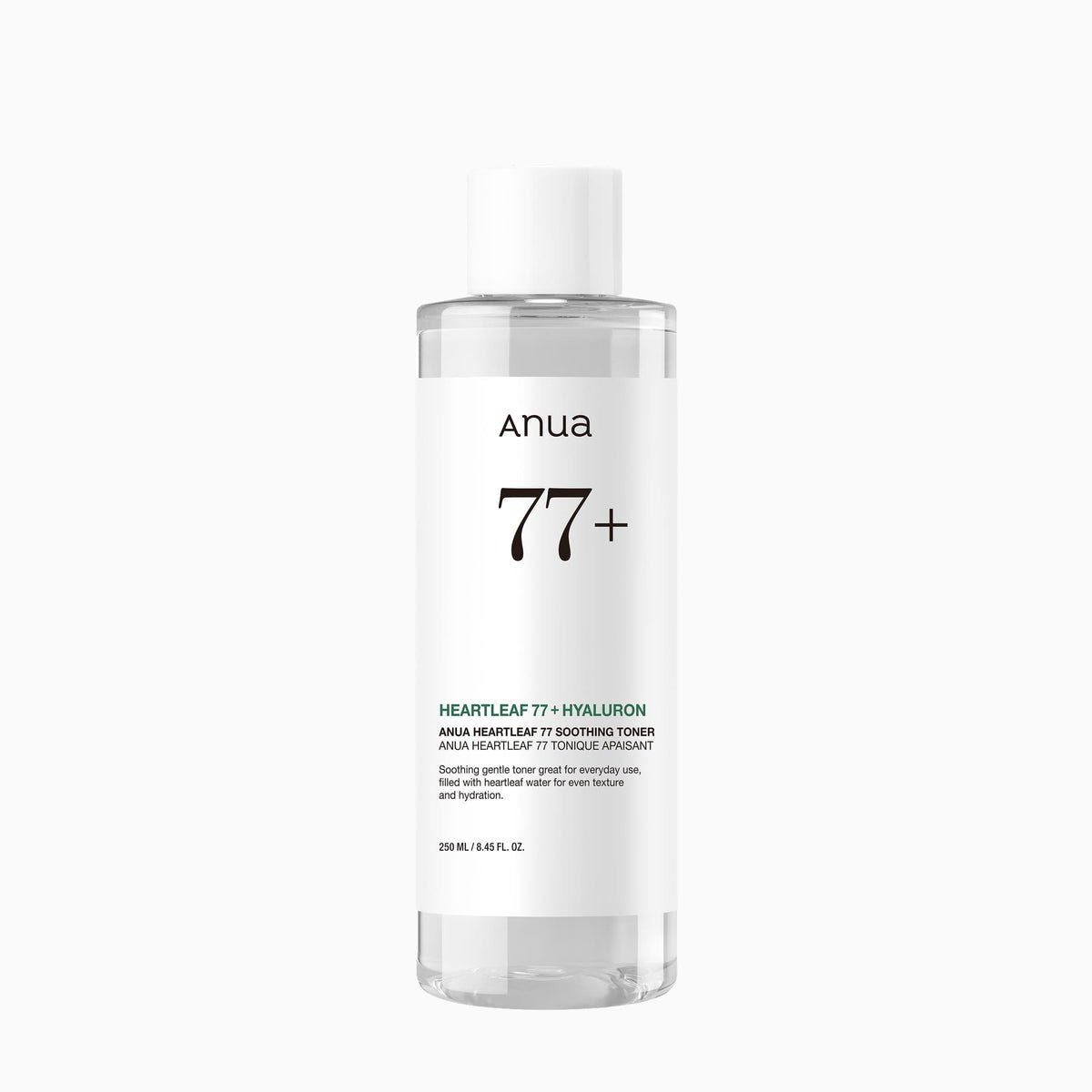
Anua Heartleaf 77 Soothing Toner (250 ml) — step one, the hydration layer. A water-light toner built on 77% heartleaf (houttuynia) extract, the ingredient K-beauty reaches for when skin is reactive, with panthenol in support. Used the reset way — patted onto damp skin right after cleansing, no cotton pad friction — it does the humectant’s job of putting water into the outer layers so the cream can seal it in. It is also the gentlest possible answer to this series’ oldest question (Guide #3: do you really need a toner?): during repair week, this is the one job a toner is genuinely for.
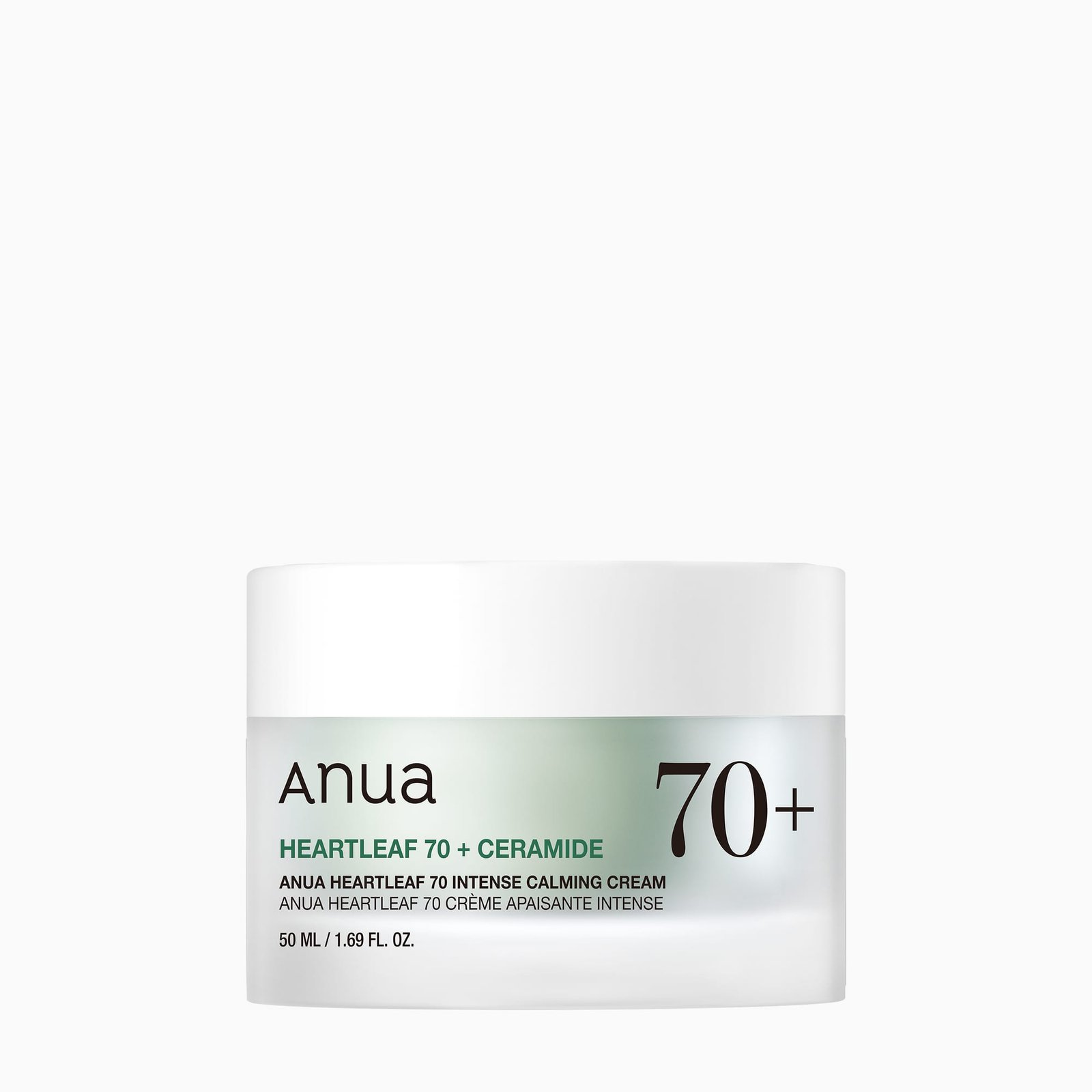
Anua Heartleaf 70% Intense Calming Cream (50 ml) — step two, the seal, and the hero of this guide. A 70% heartleaf cream with panthenol and squalane among its supporting ingredients: calming extract, a B5 humectant with repair studies behind it, and a skin-identical emollient, in a formula without the fragrance that stressed skin keeps objecting to. Applied to damp skin morning and night, this is the mortar shift — the layer that holds the toner’s water in while the wall rebuilds underneath. If the reset budget stretches to one bottle, it stretches to this one; the toner is the helper, the cream is the hire.
A Word About the Korean Question
A third of the research for this guide wandered off to Korea — how do Koreans keep their skin so clear, how do they get glass skin, is Korean or Japanese beauty better? It’s worth one honest paragraph, because the popular K-beauty reputation rests on something realer than a 10-step routine: a formulation culture built around low irritation, layered hydration and calming botanicals — barrier-first thinking, in other words, sold as routine rather than as repair. The lesson worth importing is the philosophy, not the step count. During a reset, ten steps is nine too many, including Korean ones. Two of them, chosen above, are enough — and the fact that both come from a Korean calming line is the philosophy keeping its own advice.
FAQ
How long does a damaged skin barrier take to heal?
It scales with the damage: days to a week for a one-off reaction, 2–4 weeks for accumulated over-exfoliation (first relief usually at 1–2 weeks), and up to 3–4 months for deep or repeated damage to fully settle. The stratum corneum renews in about two weeks; a full skin cycle takes about four — that biology sets the pace.
What is the fastest way to heal a damaged skin barrier?
Subtraction, then consistency: stop every active at once (not gradually), cleanse gently once or twice a day, moisturize on damp skin with a ceramide-containing cream, wear SPF, and keep water lukewarm. There is no product that outruns that protocol; the “fast” part is refusing to interrupt it.
Can a skin barrier be permanently damaged?
Not by cosmetic overuse — the barrier continuously regenerates, which is precisely why the calm routine works. What doesn’t self-repair on a cosmetic timeline is an underlying condition (eczema, rosacea, contact dermatitis) that merely looks like barrier damage. Four weeks of real calm with no improvement is the sign to trade the routine for a dermatologist.
How can I repair my skin barrier naturally?
The unglamorous list dermatology actually endorses: lukewarm water, short showers, gentle fragrance-free basics, moisturizer within minutes of washing (a little petroleum jelly on the worst patches is as “natural” as occlusives get), a humidifier against heated air, no scrubs, no hot water, patience. “Natural” oils and DIY masks are the usual way people accidentally add a new irritant to an open barrier.
What is the most hydrating thing I can put on my skin?
A pairing, not a product: a humectant (glycerin, hyaluronic acid, panthenol) on damp skin, sealed with a cream or a thin occlusive layer. Water by itself evaporates; humectants hold it; occlusives stop it leaving. That two-step physics is why the reset routine is built the way it is.
What vitamins repair the skin barrier?
The topical ones: vitamin B3 (niacinamide), which measurably raises the skin’s ceramide production, and provitamin B5 (panthenol), which reduced water loss and sped repair in controlled studies. Oral vitamins have far weaker barrier-specific evidence — this series’ supplement guides (start with Guide #21) exist to keep those two conversations separate.
When can I use my retinol and acids again?
After the skin has felt completely normal for a week — typically from week four. Reintroduce one active at a time, two weeks apart, at the lowest frequency, buffered between layers of moisturizer. Stinging on two separate tries means another fortnight on the shelf.
The Bottom Line
A post-holiday barrier is not a shopping problem; it is a scheduling one. The wall rebuilds itself on a two-to-four-week clock the moment the things dissolving it are removed — and the entire craft of the reset is refusing to interrupt: three steps, damp skin, lukewarm water, sunscreen, and the discipline to let a calm week be calm. Keep the two bottles that earn their place, shelve the rest without guilt, and reintroduce your actives in February like guests being checked at the door, one at a time. Wave 5 continues where December also leaves its evidence: the nails that carried gel polish through every party — and what they need now that it’s off.
Sources & Further Reading
- Cleveland Clinic — “Signs Your Skin Barrier Is Damaged” (what the barrier is, the damage signs, harsh soaps/over-exfoliation/skipping moisturizer as causes, ceramide-containing moisturizers, realistic timelines): https://health.clevelandclinic.org/skin-barrier
- “Revitalizing the skin: exploring the role of barrier repair moisturizers”, Journal of Cosmetic Dermatology (Wiley) — narrative review: lipid lamellae structure, niacinamide raising epidermal ceramides and lowering TEWL, petrolatum and humectant roles: https://onlinelibrary.wiley.com/doi/full/10.1111/jocd.16171
- Cleveland Clinic Newsroom — winter dry-skin guidance (ceramide/cholesterol moisturizers, fragrance avoidance, hot-shower caution, petroleum jelly on dry areas, humidifier): https://newsroom.clevelandclinic.org/2026/01/01/how-to-fight-off-dry-skin-this-winter
- American Academy of Dermatology — guidelines of care for atopic dermatitis (moisturizers as foundational barrier therapy; bathing followed by moisturization), summarized at Practical Dermatology: https://practicaldermatology.com/news/aad-issues-updated-guidelines-for-the-management-of-atopic-dermatitis-in-adults-with-topical-therapies/2461499/
Affiliate disclosure: Glow & Vital participates in the Amazon Services LLC Associates Program and other affiliate programs. Links in this article are affiliate links — if you buy through them, we may earn a commission at no additional cost to you. Commissions never decide what we recommend; the reasoning for every pick is stated in the article itself. This content is educational and is not medical advice.