
Walk into any pharmacy and the vitamin aisle looks like homework: hundreds of bottles, each promising to be the one you’re missing. The honest starting point is much simpler. There are only 13 essential vitamins, your body can point to exactly what each one does, and — for most people eating a reasonably varied diet — food covers most of them. This guide is the map: what each vitamin actually does, where supplements genuinely fit, and the few situations where a bottle earns its place.
Quick note: the product picks in this guide include affiliate links — our full disclosure is at the end of this article.
A note before we start: this guide is educational, not medical advice. Supplements can interact with prescription medicines and health conditions, so if you take medication or are pregnant or nursing, check with your doctor or pharmacist before adding anything new.
The Quick Answer
Vitamins are tools for filling gaps, not a substitute for eating well. Most people get most of what they need from food; the gaps that come up again and again are vitamin D, vitamin B12 after 50 or on a plant-based diet, and folate in the years when pregnancy is possible. More is not better — several vitamins have official upper limits, and stacking bottles is how people exceed them. When in doubt, a blood test and a conversation with your doctor beat a bigger shopping cart.
Food First: What “Enough” Actually Looks Like
Health authorities phrase it the same way on both sides of the Atlantic: a varied diet — vegetables, fruits, whole grains, beans, dairy or fortified alternatives, eggs, fish and meat if you eat them — supplies the full set of vitamins for most healthy adults. That’s not a slogan; it’s because vitamins in food arrive in modest doses, packaged with fiber, minerals and hundreds of other compounds, and your body regulates absorption from meals far better than from a concentrated pill.
Supplements enter the picture for specific gaps: a nutrient your diet structurally can’t provide (B12 on a fully plant-based diet), a life stage that raises the requirement (folate before and during early pregnancy), a body that absorbs less than it used to (B12 after 50), or a measured deficiency. Outside those situations, the evidence that extra vitamins improve health in already-nourished people is thin — which is why this series examines every supplement with the same question: what gap does this actually fill?
The Two Families: Fat-Soluble vs. Water-Soluble
Every one of the 13 essential vitamins belongs to one of two families, and the family decides how you should take it — and how careful you need to be.
- Fat-soluble: A, D, E and K. These dissolve in fat, absorb best with a meal that contains some, and are stored in your liver and fatty tissue. Storage is convenient — you don’t need them daily — but it’s also why these are the vitamins you can genuinely overdo.
- Water-soluble: C and the eight B vitamins (thiamin, riboflavin, niacin, pantothenic acid, B6, biotin, folate and B12). These dissolve in water and are barely stored; what you don’t use mostly leaves in urine. “Mostly” matters: B12 is stored in the liver for years, and large doses of B6 or niacin can still cause real harm.
That one distinction explains most supplement labels — and most mistakes.
The Five That Come Up Again and Again
People ask for “the 5 must-have vitamins.” There isn’t a universal five — needs depend on age, diet and health. But five vitamins account for nearly every real-world gap and question:
Vitamin D — the outlier: your skin makes it from sunlight, and very few foods contain much naturally. It supports bone health and immune function. The recommended intake for adults is 600 IU (15 mcg) a day up to age 70, and 800 IU (20 mcg) after 71. Because it’s fat-soluble and stored, it also has a firm ceiling: 4,000 IU (100 mcg) a day for adults unless a doctor advises otherwise.
Vitamin B12 — needed for red blood cells, nerves and DNA. The gap here is usually absorption, not intake: as we age, stomach acid declines and the B12 bound to food protein gets harder to release. That’s why US guidance suggests adults over 50 get much of their B12 from fortified foods or a supplement (where it’s already in free form), and why anyone eating fully plant-based needs a reliable B12 source. Adults need 2.4 mcg a day — a tiny amount with an outsized job.
Folate (vitamin B9) — essential for cell growth, and famous for one specific window: it prevents major birth defects of the brain and spine in the first weeks of pregnancy, often before someone knows they’re pregnant. The standing recommendation is that anyone who could become pregnant get 400–800 mcg of folic acid daily, on top of folate from food.
Vitamin C — an antioxidant that also helps you absorb iron from plant foods. Most people get enough from food (one bell pepper or a couple of oranges covers the day), smokers need an extra 35 mg, and very high doses mostly buy you an upset stomach — the upper limit is 2,000 mg a day.
Vitamin A — vision, immune function and skin. It comes in two forms that behave very differently: preformed vitamin A from animal foods and supplements, which is stored and toxic in excess (the upper limit is 3,000 mcg RAE a day), and beta-carotene from orange and leafy vegetables, which your body converts only as needed. This is the clearest case for “food first”: nobody has ever overdosed on carrots the way a badly stacked supplement routine can overdose on retinol.
Can You Take Too Much?
Yes — and the questions people ask most (“can taking vitamin D every day be bad?”) usually come down to dose, not frequency. Vitamin D is meant to be taken daily; the recommended amounts are daily figures. Trouble starts with megadoses taken for months: too much vitamin D raises blood calcium, and the warning signs — nausea, vomiting, muscle weakness, loss of appetite, dehydration, excessive thirst and urination, kidney stones — are the symptoms of that calcium, not of the vitamin itself.
The general rules that keep you safe:
- Know the upper limits (ULs). They exist for D (4,000 IU), A (3,000 mcg RAE, preformed), C (2,000 mg), E, B6, niacin and folate from supplements, among others. A multivitamin plus single-nutrient bottles plus fortified foods can stack past a UL without any single product looking extreme.
- Audit the stack, not the bottle. Add up what your multivitamin, your singles and your fortified breakfast already give you before adding anything.
- Treat “proprietary blend” doses with suspicion — if a label won’t say how much of the key ingredient is inside, you can’t audit it.
What Not to Take Together
True vitamin-versus-vitamin conflicts are rare. The real issues are absorption competitions and medication interactions:
- Calcium and iron compete. Taking a calcium supplement (or a big glass of milk) with iron blunts iron absorption. Space them about two hours apart — and pair iron with vitamin C, which does the opposite and helps it absorb.
- Fat-soluble vitamins need fat, not each other. A, D, E and K don’t cancel each other out; they just all absorb better with a meal that contains some fat.
- Vitamin K and blood thinners are the classic caution. If you take warfarin, the goal is keeping vitamin K intake consistent, not zero — and it’s a conversation for your doctor, not a label.
- Any supplement plus a prescription medicine is a pharmacist question. People understandably search things like whether vitamin D is fine alongside their specific blood-pressure medicine. There is no honest generic answer — doses and conditions differ — and pharmacists answer these questions for free, every day. Ask yours.
The Best Time to Take Vitamins
There is no magic hour, but there are sensible defaults:
- Fat-soluble A, D, E, K: with your largest meal of the day, as long as it contains some fat — a vitamin D capsule on an empty stomach is partly wasted.
- B-complex and vitamin C: any time; many people prefer the morning, and a few find B vitamins late at night slightly stimulating, which is why “don’t take them at night” advice exists. It’s a comfort preference, not a rule.
- Iron (a mineral, but the most mistimed supplement of all): absorbs best away from food, coffee, tea and calcium — but if it upsets your stomach, taking it with a small meal beats not taking it.
- Consistency beats timing. The best time is the one attached to a habit you already have — breakfast, usually — because the supplement you remember outperforms the perfectly timed one you forget.
How to Read a Supplement Label
One fact surprises almost everyone: in the United States, dietary supplements are not approved by the FDA before they are sold. Under the 1994 DSHEA law, the manufacturer is responsible for safety and label accuracy, and the FDA acts mostly after problems are reported. That doesn’t make supplements useless — it makes your label reading the quality control. Three checks:
- Look for third-party verification. Seals from USP (USP Verified), NSF or ConsumerLab mean an independent lab confirmed the bottle contains what the label claims, without harmful contaminants. Not a guarantee of benefit — a guarantee of honesty about contents.
- Read % Daily Value, not milligrams alone. 250% of your daily B12 sounds wasteful because it is; 15% of vitamin D in a “complete” formula is a gap wearing a costume.
- Be wary of the claims themselves. By law, supplements can’t claim to diagnose, treat, cure or prevent disease. If a bottle promises to do for a condition what a drug does, that’s a marketing red flag, not a discovery.
Where Supplements Fit: The Three This Series Examines
Here is the part most vitamin guides skip: the three supplements we examine in this series aren’t actually vitamins at all — and understanding the difference is exactly the skill this category demands.
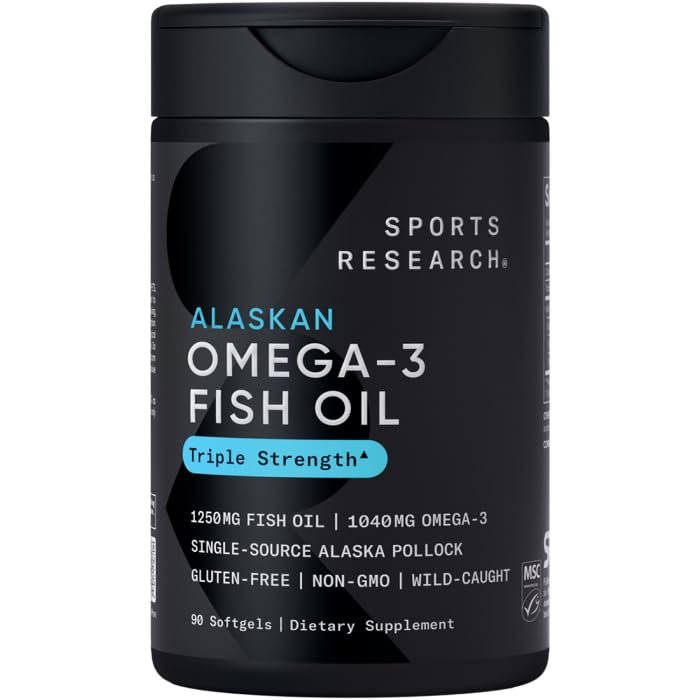
Sports Research Omega-3 Fish Oil (1250 mg, 90 softgels) — not a vitamin: omega-3s are essential fats (EPA and DHA) that your body can’t make efficiently, from single-source Alaska pollock. This bottle provides 1,040 mg of omega-3s per softgel — the per-serving EPA/DHA number is the only honest way to compare fish oils, and it’s the subject of our full guide, Omega-3, Explained (Guide #12).
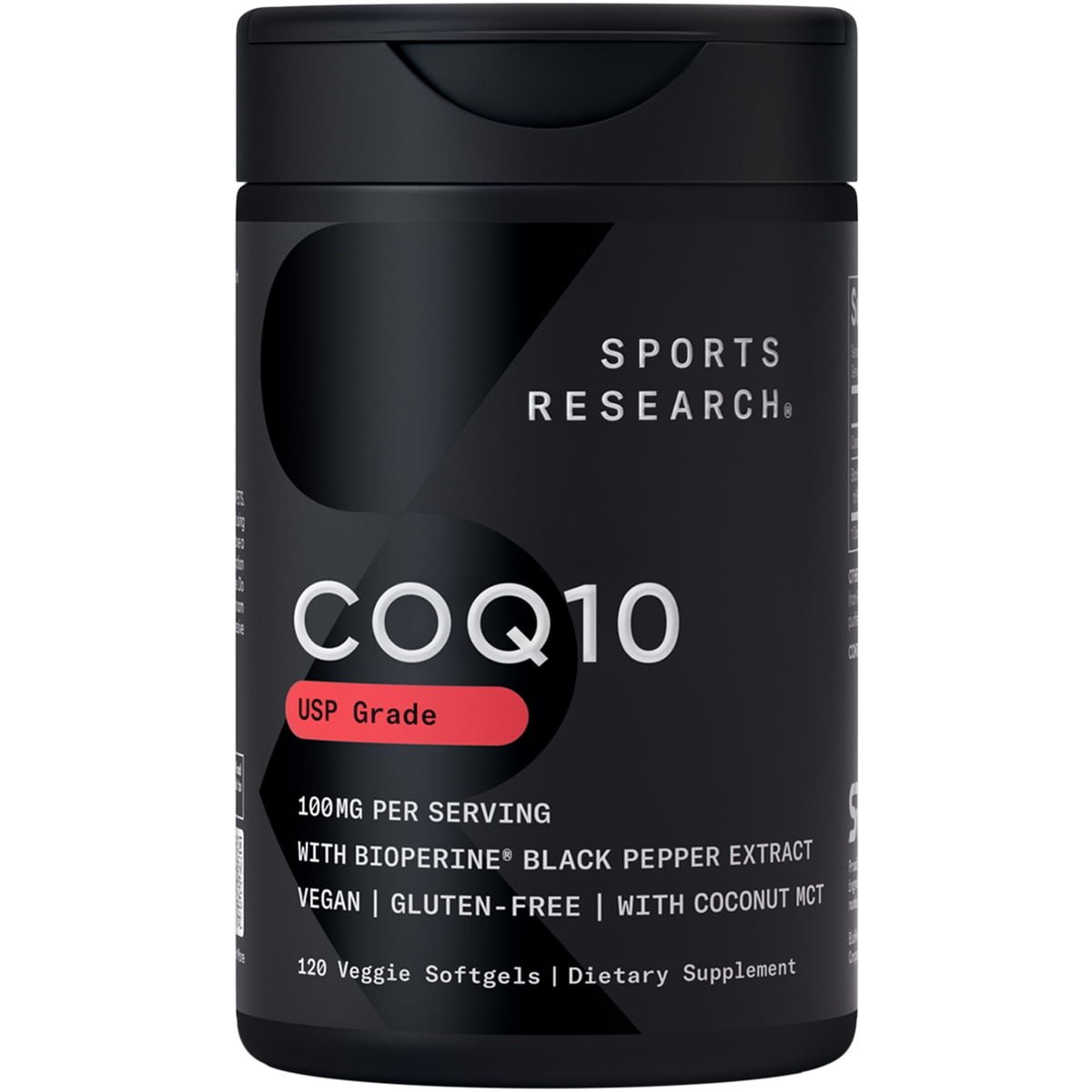
Sports Research CoQ10 (100 mg, 120 veggie softgels) — also not a vitamin: CoQ10 is a vitamin-like compound your own cells produce for energy generation, made here as ubiquinone with coconut MCT oil and BioPerine black pepper extract to support absorption. Who takes it, what the evidence actually says, and ubiquinone vs. ubiquinol get the full treatment in CoQ10: What It Is, Who Takes It (Guide #13).
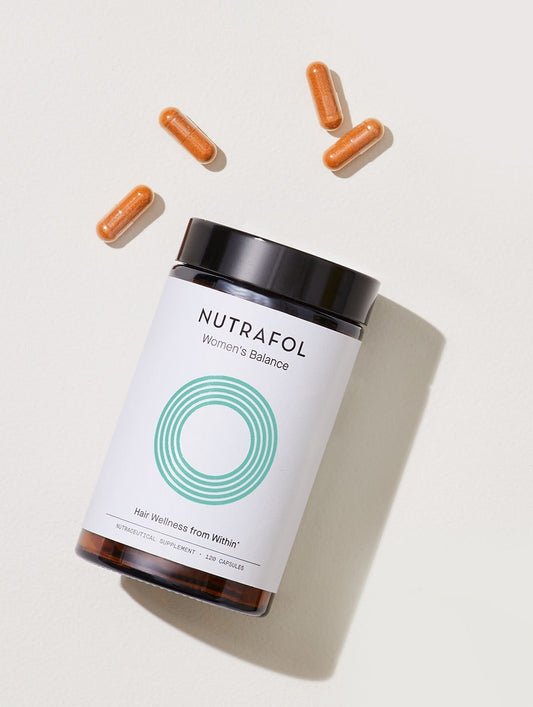
Nutrafol Women’s Balance (120 capsules, 1-month supply) — the closest thing here to a multivitamin: a multi-ingredient blend of vitamins, minerals and botanicals (including maca, ashwagandha, saw palmetto and marine collagen) formulated for women 45+ and the hormonal shifts that affect hair. It is also a premium monthly expense — which is why our Guide #14, Hair Growth Supplements, Honestly, weighs what it can and can’t do before anyone subscribes.
FAQ
Is it okay to take 7 different vitamins together?
Physically, yes — a multivitamin is literally that in one pill. The risk isn’t the count; it’s the totals. Seven separate bottles stacked on top of a multivitamin can push fat-soluble vitamins and minerals past their upper limits. List everything you take, add up the overlapping nutrients, and that total is your real dose.
Can taking vitamin D every day be bad?
At recommended doses (600–800 IU for most adults), daily vitamin D is the normal, intended pattern. It becomes a problem at sustained megadoses, which raise blood calcium. If you take more than 4,000 IU a day, that should be because a blood test and a doctor said so.
What two vitamins should never be taken together?
Honestly? There is no famous forbidden pair among vitamins themselves. The combinations that matter are calcium with iron (absorption competition — space them out), and vitamin K consistency if you take warfarin (a doctor conversation). Most “never mix” lists are really about minerals and medications, not vitamins sabotaging each other.
What’s the best time to take vitamins?
Fat-soluble vitamins with your biggest meal; B-complex and C whenever you’ll remember them (morning suits most people); iron away from coffee, tea and calcium when you can. Consistency matters more than the clock.
What cannot be mixed with vitamin D?
Vitamin D has few direct conflicts with other vitamins. The real cautions are very high-dose calcium taken alongside it, and certain prescription medicines — including some blood-pressure drugs and diuretics — that change how your body handles vitamin D and calcium. If you take any daily medication, ask your pharmacist before adding vitamin D beyond a standard dose.
The Bottom Line
Vitamins stop being confusing the moment you sort them by job instead of by marketing. Eat a varied diet and you’ve covered most of them; supplement the specific gaps — vitamin D, B12 when absorption or diet demands it, folate in the pregnancy window; respect the upper limits; and judge every bottle by what’s verifiably inside it. That’s the standard this series holds every supplement to — starting with the three examined above.
Sources & Further Reading
- NIH Office of Dietary Supplements — Vitamin D Fact Sheet for Consumers: recommended amounts (600–800 IU), the 4,000 IU upper limit, and the symptoms of excess. https://ods.od.nih.gov/factsheets/VitaminD-Consumer/
- NIH Office of Dietary Supplements — Vitamin B12 Fact Sheet for Consumers: why adults over 50 and plant-based eaters may need fortified foods or supplements. https://ods.od.nih.gov/factsheets/VitaminB12-Consumer/
- NIH Office of Dietary Supplements — Folate Fact Sheet for Consumers: folic acid (400–800 mcg) for anyone who could become pregnant. https://ods.od.nih.gov/factsheets/Folate-Consumer/
- NIH Office of Dietary Supplements — Vitamin A Fact Sheet for Consumers: preformed vitamin A vs. beta-carotene, and the 3,000 mcg RAE upper limit. https://ods.od.nih.gov/factsheets/VitaminA-Consumer/
- FDA — Dietary Supplements (consumer update): how supplements are regulated, and why they are not FDA-approved before sale. https://www.fda.gov/consumers/consumer-updates/dietary-supplements
- NIH Office of Dietary Supplements — Frequently Asked Questions: how to read labels, Daily Values, and deciding whether you need a supplement at all. https://ods.od.nih.gov/HealthInformation/ODS_Frequently_Asked_Questions.aspx
Affiliate Disclosure
Glow & Vital is reader-supported. Some links in this article are affiliate links, which means we may earn a commission if you buy through them — at no additional cost to you. As an Amazon Associate, we earn from qualifying purchases. Affiliate relationships never determine which products we recommend; picks are based on ingredient research, formulation quality and fit for the guide’s purpose. This article is educational and is not medical advice.