
It looks like a compact, applies like a liquid, and shows up in every K-beauty routine on your feed: cushion foundation. For a lot of people it’s the product that finally made foundation feel easy — sheer-to-full coverage in thin layers, a finish that still looks like skin, and touch-ups that take ten seconds. For others, it’s a confusing little sponge in a case: which shade, how much, and why does it look patchy by lunch?
This guide explains what a cushion actually is, how to choose one for your skin, how to apply it so it lasts, and the two things most cushion content skips: the SPF on the label is not your sunscreen, and that puff needs washing like any other sponge.
Quick note: the product picks in this guide include affiliate links — our full disclosure is at the end of this article.
The Quick Answer
A cushion foundation is liquid foundation soaked into a sponge inside a compact, picked up with a puff and pressed onto skin in thin layers. Choose by finish first (dewy vs. satin vs. matte), shade second — and go one shade careful: cushion formulas often apply lighter than they look in the pan. Apply real sunscreen underneath (the cushion’s SPF won’t be applied thickly enough to count), pat — never drag — build coverage in layers, and wash the puff weekly. Set oily zones with spray or powder if you want it to survive the day.
What a Cushion Foundation Actually Is
Open the compact and you’ll find three parts: a mirror, a puff, and a sponge saturated with liquid foundation. Pressing the puff into the sponge meters out a small, even amount — that metering is the whole technology. A bottle gives you a pump’s worth and asks you to spread it; a cushion gives you a thin film and asks you to layer it. That’s why cushion coverage builds so gracefully: you’re stacking veils, not smearing a coat.
Cushions came out of Korean beauty, where the priorities were speed, portability and a skin-like finish, and the format stuck because it solves real problems: no messy fingers, no over-application, easy touch-ups, and (in most formulas) skincare-style extras like SPF and hydrating ingredients built in.
Cushion vs. Liquid Foundation vs. BB Cream
- Cushion: thinnest application, most natural finish, fastest touch-ups; you get less product per package and shade ranges vary by brand.
- Liquid foundation (bottle): the widest shade ranges and coverage options, more product per dollar; application takes more skill.
- BB cream: sheerer and more skincare-forward, usually fewer shades (our full BB vs. CC vs. foundation comparison is its own guide in this series).
If your complaint about foundation is “it looks like makeup,” a cushion is usually the fix. If your complaint is “I need stage-level coverage for 12 hours,” a bottle is still the tool.
How to Choose: Finish First, Then Shade
Finish. Decide what you want your skin to look like at 3 p.m.:
- Dewy/glow cushions — hydrating, light-reflecting; best for dry or mature skin; can overwhelm oily skin by midday.
- Satin/semi-matte — the middle ground most people want; the famous red TIRTIR cushion lives here, with buildable coverage.
- Matte cushions — oil control first; best for oily/combination skin; can cling to dry patches if skin isn’t prepped.
Shade. Cushion shades traditionally run in numbered systems (like 21N, 23N) tied to brightness + undertone (N neutral, C cool/pink, W warm/yellow). Two cautions: many cushions apply lighter than expected (some formulas also oxidize slightly darker as they set — check after 15 minutes, in daylight, at the jawline), and the mini sizes some brands sell are genuinely useful as a low-risk shade test before committing to the full compact.
Coverage. “Full coverage” cushions exist, but the format’s strength is buildable light-to-medium. If a cushion promises maximum coverage, expect a thicker film — and apply it even more thinly, in more layers.
The SPF Truth (Read This Before You Rely on the Label)
Many cushions advertise SPF 30–50+. Here’s the problem dermatologists keep pointing out: SPF is tested at a thickness nobody applies makeup at. To get the labeled protection from a foundation, you’d need roughly a quarter-teaspoon of it evenly over your face — several times what a cushion application uses. Applied realistically, makeup SPF delivers an effective protection closer to SPF 5–10. And SPF values don’t stack: sunscreen SPF 30 plus cushion SPF 40 is not SPF 70.
The fix is ordering, not panic: apply a real sunscreen first — the AAD’s practical measure is about two finger-lengths for face and neck — let it set for a few minutes, then cushion over it. Treat the cushion’s SPF as a bonus layer that also helps cover the spots you missed. Our skincare routine guide’s sunscreen pick (below) layers well under makeup.
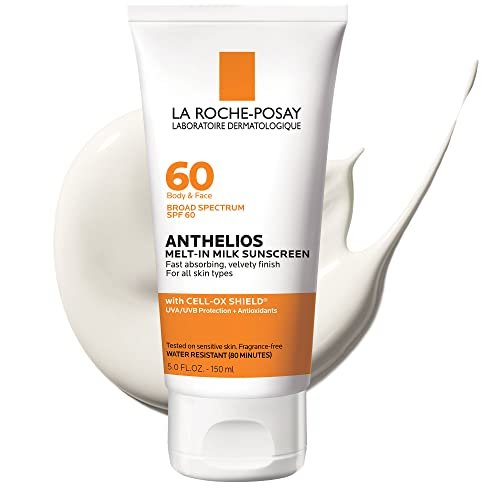
La Roche-Posay Anthelios Melt-In Milk Sunscreen SPF 60 — the layer that goes under the cushion: the sunscreen step from our skincare routine guide, chosen because it wears well under makeup. Two finger-lengths, a few minutes to set, then cushion.
How to Apply It (So It Lasts)
- Start with moisturized skin and sunscreen. Dry, flaky skin is the #1 cause of “cushion looks patchy.”
- Press, don’t swirl. Lightly press the puff into the cushion once — one press is roughly a cheek’s worth. Overloading the puff is the #2 cause of patchiness.
- Pat in short presses. Bounce the puff across the skin; don’t drag or rub, which streaks the film and disturbs what’s under it.
- Build in layers. One thin layer everywhere first, then a second pass only where you want more coverage (center of the face, redness, spots).
- Mind the edges. Feather at the jawline and hairline; cushions collect at the nose wings and under-eye creases — press those with the puff’s clean edge.
- Set strategically. Oily T-zone? A light setting spray or a whisper of powder there — not all over, unless you bought a matte cushion on purpose.
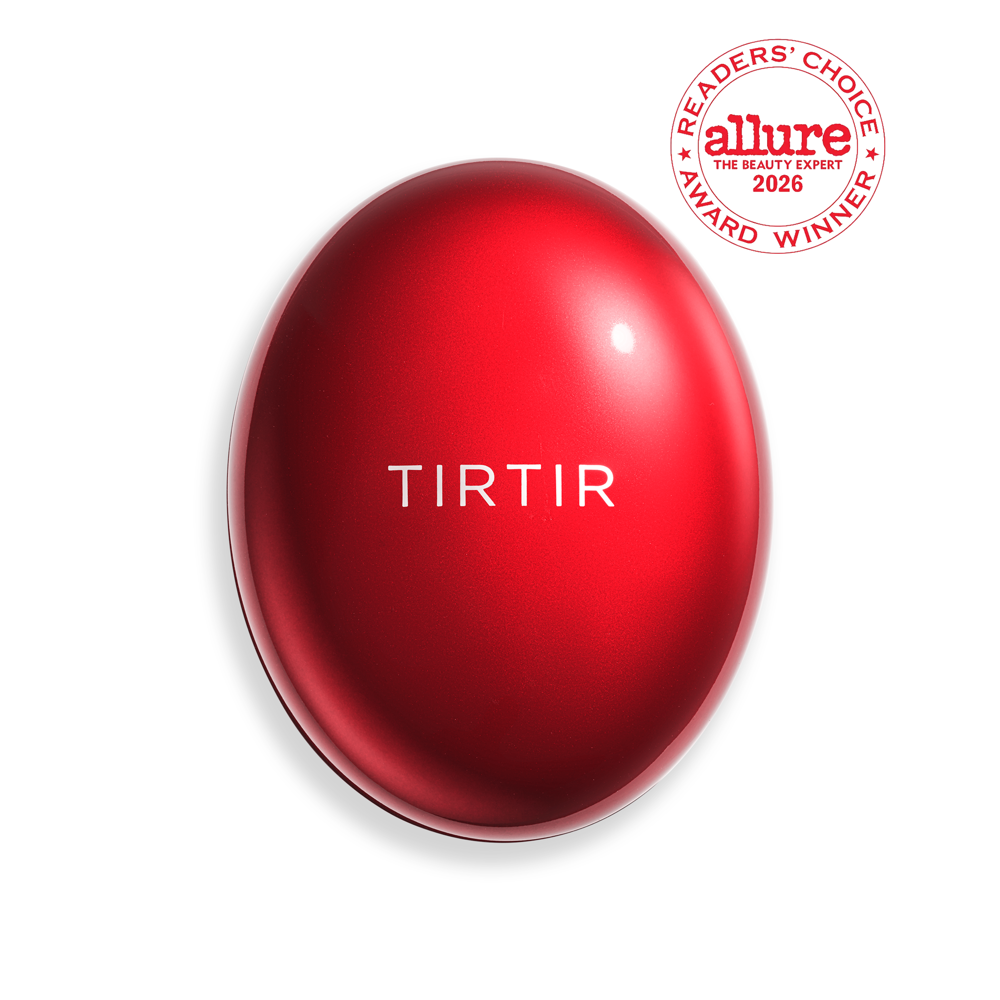
TIRTIR Mask Fit Red Cushion Foundation — our hero pick: the satin-finish cushion that made the format famous in the US — buildable medium coverage, a wide numbered shade range, and the finish most skin types mean when they say “like skin, but better.” Start one shade careful and let it set before judging the match.
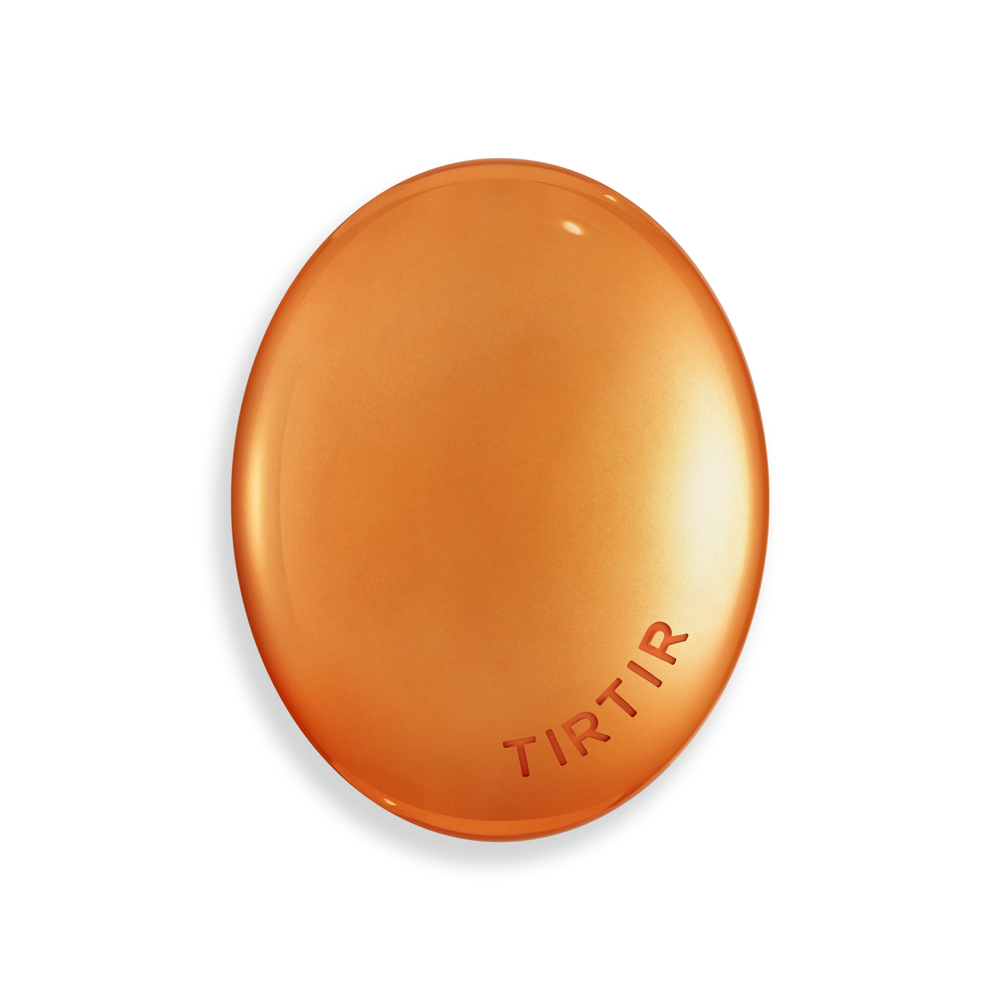
TIRTIR Mask Fit AI Filter Cushion Foundation (Mini) — the mini of TIRTIR’s blurring-finish line: a soft-focus, pore-smoothing take on the cushion, and the smart way to test your shade (and the format itself) before buying a full compact. Also the one that lives in a purse for touch-ups.
The Hygiene Part Nobody Posts About
A cushion puff is a damp sponge pressed against skin daily and stored in a closed compact — which makes it exactly the kind of applicator researchers worry about. In a widely cited 2019 Aston University study (Journal of Applied Microbiology), 79–90% of used makeup products tested carried bacteria such as E. coli and Staphylococcus, and makeup sponges were the worst offenders — most had never been cleaned and are typically left damp, an ideal breeding environment. There’s no US law requiring cosmetic expiration dates (the FDA notes this explicitly), so the discipline has to come from you:
- Wash the puff weekly with gentle soap or cleanser, rinse until the water runs clear, and let it dry fully outside the compact.
- Keep a spare puff and rotate; replace puffs when they tear or stop bouncing back.
- Never share a cushion, and stop using it if the formula’s smell or texture changes.
- Flip or replace the cushion refill per the brand’s guidance — the sponge dries out over a few months of use, and performance drops before it looks “empty.”
Common Mistakes
- Skipping sunscreen because “the cushion has SPF 50” — see above.
- Choosing the shade from the pan or your wrist — jawline, daylight, 15-minute wait.
- Pressing too hard and flooding the puff — thin layers are the entire point.
- Dragging the puff instead of patting — streaks, disturbed sunscreen, patchy finish.
- Applying over dry, unprepped skin — cushions highlight flakes like it’s their job.
- Never washing the puff — weekly, like any sponge that touches your face.
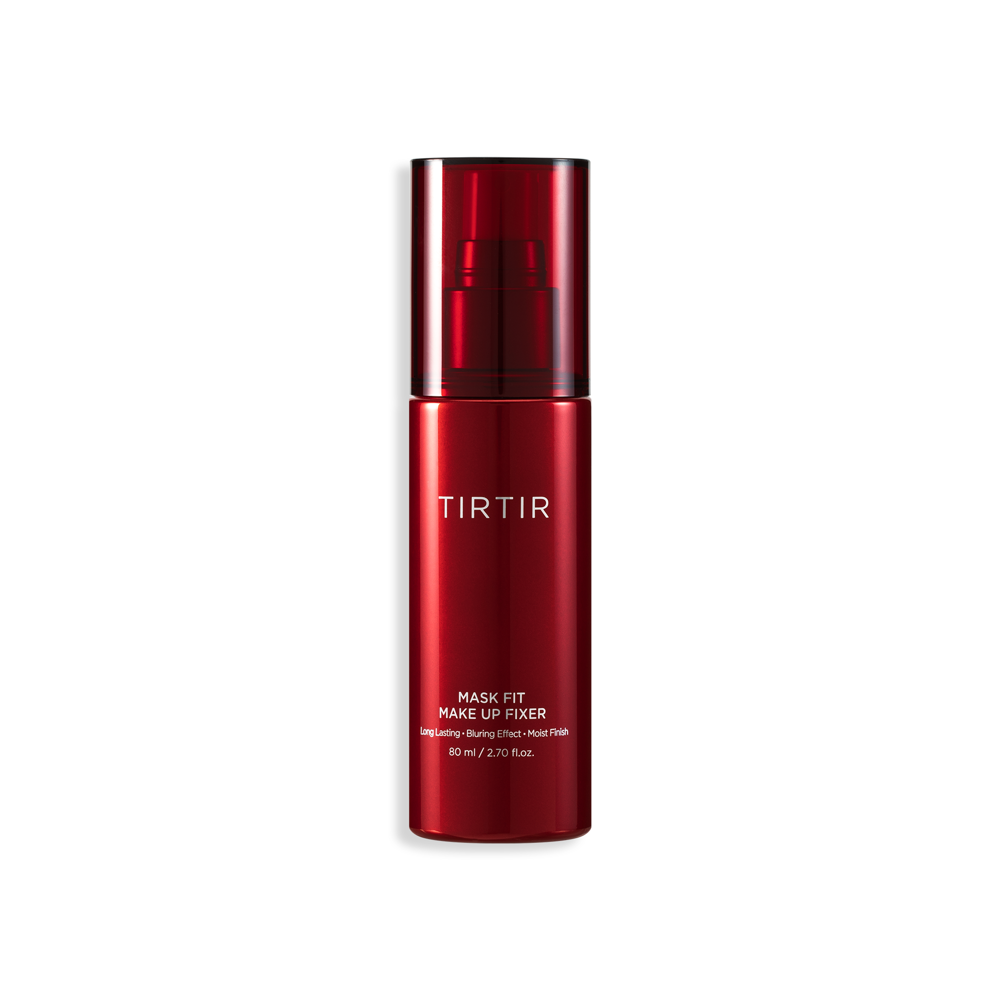
TIRTIR Mask Fit Makeup Setting Spray — the finish: a light mist over the T-zone and anywhere makeup usually breaks down, to stretch a morning application into the afternoon. (Our full primer-and-setting-spray system gets its own guide later in this series.)
Frequently Asked Questions
Is cushion foundation good for oily skin?
Yes — with a matte or satin formula and a set T-zone. Dewy cushions on oily skin are the combination that slides by noon; finish choice matters more than the format.
How long does one cushion compact last?
Roughly 1–3 months of daily use for most people; cushions hold less product than a foundation bottle, which is the trade for the application. When the puff starts picking up unevenly, the sponge is running dry.
Can I use a cushion over sunscreen without it pilling?
Usually, if the sunscreen has set for a few minutes and you pat rather than rub. Mineral sunscreens pill more readily than chemical ones under pressing — thin layers help.
Do I need powder over a cushion?
Not by default. Powder only where you get shiny, or skip it entirely with a matte cushion. Powder everywhere defeats the skin-like finish you bought a cushion for.
Is cushion foundation hygienic?
It’s as hygienic as your puff routine: wash weekly, dry fully, rotate spares, don’t share. The closed compact protects the product; the puff is the part that needs you.
The Bottom Line
A cushion foundation is a metering device for thin layers — that’s its genius and its whole learning curve. Pick the finish for your skin type, test the shade on your jawline in daylight, put real sunscreen underneath, pat in layers, wash the puff. Do that and the red compact earns the hype: coverage that still reads as skin, applied in about a minute, touch-ups included.
Sources & Further Reading
- Prevent Cancer Foundation — Is SPF in Makeup Enough to Protect My Skin?: dermatologists on why makeup SPF applies too thin to count (real-world protection closer to SPF 5–10), the AAD’s two-finger amount, and why SPF layers aren’t additive. https://preventcancer.org/article/my-makeup-contains-spf-do-i-still-need-to-wear-sunscreen/
- Bashir & Lambert, Aston University (Journal of Applied Microbiology, 2019), via Safety+Health Magazine — Researchers find ‘superbugs’ in most used makeup, including on sponges: 79–90% of used products contaminated; sponges the worst, 93% never cleaned. https://www.safetyandhealthmagazine.com/19261-researchers-find-superbugs-in-most-used-makeup-including-on-sponges
- Achieve Your Best Skin — The Sunscreen Mistakes Derms See All the Time: the two-finger rule, why relying on makeup SPF is the classic mistake, and formulas that layer under makeup. https://achieveyourbestskin.com/2025/06/sunscreen-mistakes/
- Medical News Today — Dirty makeup sponges harbor dangerous bacteria: the Aston study’s methods and the FDA’s note that US law doesn’t require cosmetic expiration dates. http://csrascience.org/dirty-makeup-sponges-harbor-dangerous-bacteria-medical-news-today/
Affiliate Disclosure
Glow & Vital is reader-supported. Some links in this article are affiliate links, which means we may earn a commission if you buy through them — at no additional cost to you. As an Amazon Associate, we earn from qualifying purchases. Affiliate relationships never determine which products we recommend; picks are based on ingredient research, formulation quality and fit for the guide’s purpose. This article is educational and is not medical advice.